Understanding Forensic Accident Reconstruction
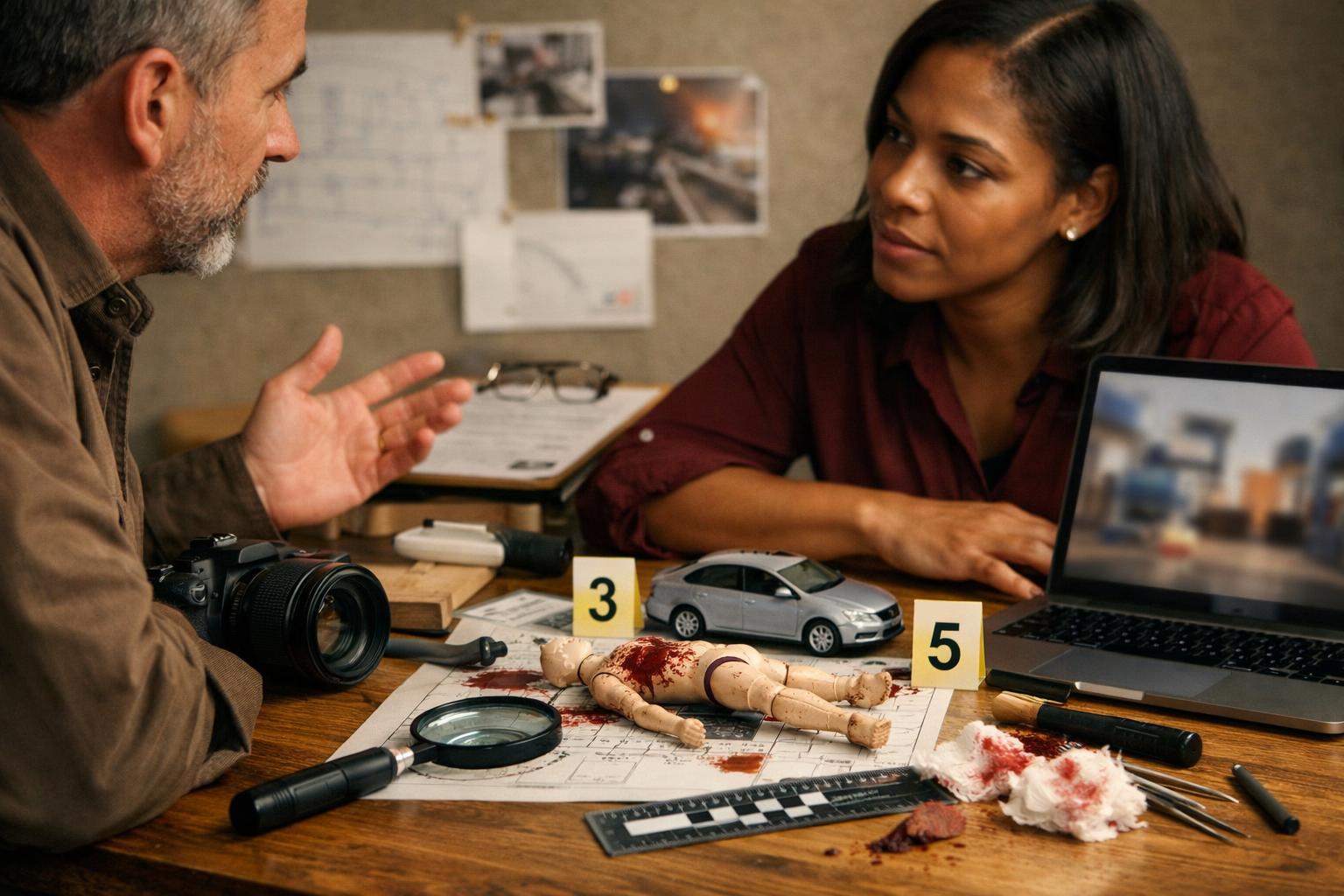
Forensic Accident Reconstruction is a specialized field that combines science, engineering. And investigative techniques to understand the events leading up to a vehicle collision. Unlike a standard police report, which documents basic facts at the scene, forensic reconstruction dives deeper into the physics of the crash. Experts examine factors like vehicle speed, braking distances, road conditions. And human reaction times to piece together what happened. This process is often critical in legal cases where fault or liability is disputed.
Related glossary terms: Black Box Data, Comparative Negligence, Gross Negligence.
The goal of forensic reconstruction is not just to describe the accident but to explain why it occurred. For example, if a driver claims they braked in time but the other vehicle still collided with them, reconstruction can determine whether the driver actually had enough time to stop. This involves calculating speeds, angles of impact. And even the effects of weather or road design. The findings can help judges, juries. Or insurance companies make informed decisions about responsibility and compensation.
How Forensic Accident Reconstruction Works?
The reconstruction process typically begins at the accident scene, where experts document evidence like skid marks, debris patterns. And vehicle resting positions. Skid marks, for instance, can reveal how fast a vehicle was traveling before braking and whether the driver attempted to avoid the collision. Experts also inspect the vehicles themselves, looking for damage patterns that indicate the direction and force of the impact. This physical evidence is then combined with data from event data recorders (EDRs), often called "black boxes," which record details like speed, braking. And throttle position in the moments before a crash.
A practical next step is Once the evidence is collected, experts use computer simulations and mathematical models to recreate the accident. These models take into account factors like vehicle weight, road friction. And human reaction times to simulate how the crash unfolded. For example, if two cars collided at an intersection, the reconstruction might show whether one driver ran a red light or if both drivers had enough time to react. The results are often presented in reports or visual animations that help non-experts understand the findings.
In some cases, reconstruction experts may also interview witnesses or review traffic camera footage to corroborate their findings. But the most reliable reconstructions rely on physical evidence and data rather than eyewitness accounts, which can be unreliable. The process is methodical and thorough, ensuring that conclusions are based on science rather than speculation.
Why Forensic Accident Reconstruction Matters?

Forensic Accident Reconstruction plays a crucial role in legal cases involving vehicle collisions. When fault is disputed, the reconstruction can provide objective evidence to support or refute claims. For example, if a driver is accused of speeding, the reconstruction can determine whether their speed was a contributing factor to the crash. This evidence can influence outcomes in court, insurance settlements. Or even criminal cases, such as those involving drunk driving or vehicular manslaughter.
Beyond legal disputes, reconstruction can also help improve road safety. By identifying common causes of accidents, such as poorly designed intersections or hazardous road conditions, experts can recommend changes to prevent future crashes. For instance, if reconstructions frequently show that drivers fail to stop at a particular intersection, authorities might install additional signage or adjust traffic signals to reduce the risk of collisions.
When Forensic Accident Reconstruction Matters Most?
Forensic Accident Reconstruction is most valuable in cases where the cause of an accident is unclear or disputed. This often includes high-stakes collisions involving serious injuries, fatalities. Or significant property damage. For example, in multi-vehicle pileups, reconstruction can help determine which driver initiated the chain reaction. It's also critical in cases where eyewitness accounts conflict. Or when one party claims mechanical failure or road defects contributed to the crash.
Reconstruction is also important in cases involving commercial vehicles, such as trucks or buses, where the stakes are higher due to the potential for severe damage or injuries. In these situations, reconstruction can reveal whether the driver or the vehicle manufacturer bears responsibility. And insurance companies may use reconstruction to assess claims, especially when fraud is suspected. For instance, if a driver claims their vehicle was rear-ended but the damage suggests otherwise, reconstruction can uncover the truth.
In Decatur, GA, forensic accident reconstruction is often used in cases involving complex traffic patterns, such as those near busy intersections or construction zones. The findings can help clarify whether road design, driver error. Or other factors played a role in the accident.