Understanding Black Box Data
Black Box Data refers to the electronic records stored in a vehicle’s Event Data Recorder (EDR). Similar to the black boxes used in airplanes, EDRs are designed to capture critical information about a vehicle’s operation in the moments leading up to and during a crash. This data includes details like vehicle speed, brake application, throttle position, steering angle, seatbelt usage, airbag deployment. And engine performance. The purpose of Black Box Data is to provide an objective account of what happened during an accident, which can be invaluable in legal, insurance. And safety investigations.
Related glossary terms: Event Data Recorder, Forensic Accident Reconstruction, Negligence Per Se.
Most modern vehicles manufactured after 2014 are equipped with EDRs. Though the specific data recorded can vary by make, model. And year. The National Highway Traffic Safety Administration (NHTSA) has established standards for EDRs, requiring them to record at least 15 types of data in vehicles sold in the United States. But not all vehicles have EDRs. And older cars may lack this technology entirely. When present, Black Box Data is typically stored in the vehicle’s airbag control module or powertrain control module. And it remains intact even after a crash unless the vehicle’s battery is completely drained or the module is damaged.
How Black Box Data Works?
Black Box Data is collected automatically by the vehicle’s onboard computers. The EDR continuously monitors various sensors and systems, such as the anti-lock braking system (ABS), traction control. And airbag sensors. When a crash is detected—usually defined as a sudden deceleration or impact—the EDR saves the data from the seconds leading up to and during the event. This snapshot typically includes 5 to 30 seconds of pre-crash data, depending on the vehicle’s make and model. The data is stored in a non-volatile memory chip, meaning it's preserved even if the vehicle’s power is lost.
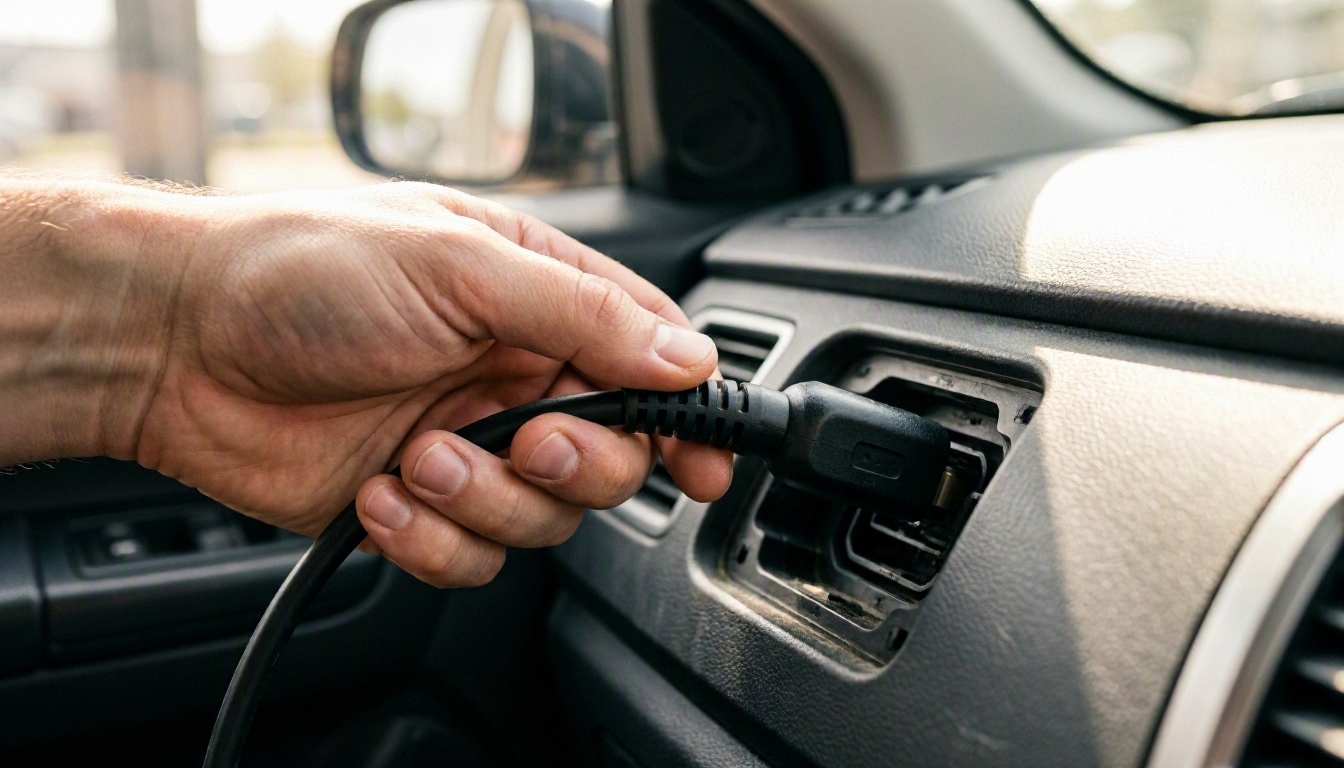
Accessing Black Box Data requires specialized hardware and software, often provided by manufacturers or third-party forensic experts. Law enforcement, accident reconstructionists. And legal teams may use tools like the Bosch Crash Data Retrieval (CDR) system to download and interpret the data. The process involves connecting the tool to the vehicle’s diagnostic port, which is usually located under the dashboard. Once retrieved, the data is analyzed to create a timeline of events, such as whether the driver braked, swerved. Or accelerated before the crash. This timeline can help determine factors like speeding, distracted driving. Or mechanical failure.
Why Black Box Data Matters?

Black Box Data plays a critical role in personal injury cases because it provides unbiased evidence about the circumstances of a crash. Unlike witness statements, which can be inconsistent or unreliable, Black Box Data offers a factual record of the vehicle’s behavior. This evidence can be used to support or refute claims about fault, helping judges, juries. And insurance companies make informed decisions. For example, if a driver claims they were traveling at the speed limit but Black Box Data shows they were speeding, the data can contradict their statement and strengthen the opposing party’s case.
For local customers, In addition to legal proceedings, Black Box Data is also used by safety researchers and automakers to improve vehicle design and reduce the risk of future accidents. By analyzing patterns in crash data, engineers can identify common causes of accidents and develop features like automatic emergency braking, lane-keeping assist. And collision warnings. For victims of accidents, Black Box Data can be a powerful tool to ensure justice is served, especially in cases where liability is disputed.
When Black Box Data Matters Most?
Black Box Data is particularly important in cases where fault is unclear or contested. For example, in multi-vehicle collisions, rear-end crashes. Or accidents involving pedestrians or cyclists, the data can help determine which driver was at fault. It is also valuable in cases involving severe injuries or fatalities, where the stakes are high. And insurance companies or defendants may try to shift blame. In Georgia, where modified comparative negligence laws apply, Black Box Data can help establish the degree of fault for each party involved, which directly impacts the compensation a victim may receive.
Black Box Data also matters in cases involving commercial vehicles, such as trucks or buses. These vehicles often have more advanced EDRs that record additional data, such as driver hours, cargo weight. And maintenance records. This information can be crucial in cases involving trucking companies or fleet operators, where negligence may extend beyond the driver to include the employer or vehicle manufacturer. And Black Box Data can be critical in hit-and-run accidents, where the data may help identify the fleeing vehicle or confirm the victim’s account of the incident.