Understanding Hazardous Road Conditions
Hazardous road conditions are road problems that put drivers, cyclists. Or pedestrians at risk. These aren't just normal driving challenges like heavy traffic or sharp curves. They involve issues that could be fixed but aren't. Examples include big potholes, unmarked speed bumps. Or missing guardrails.
Standing water can cause cars to hydroplane. Even temporary hazards like loose construction materials can be dangerous. Traffic cones placed wrong can also create risks. These problems should be fixed quickly.
In Georgia, road maintenance is split between state, county. And city agencies. GDOT handles interstates and state routes. Local governments take care of city streets and county roads. If they don't fix known hazards, they may be liable for accidents.
But proving fault isn't easy. You must show the agency knew about the danger. They must have failed to fix it or warn the public. This evidence is key to winning a case.
How Hazardous Road Conditions Are Identified and Documented?
Finding hazardous road conditions takes both looking and reporting. Drivers and pedestrians often spot problems like cracked pavement. Faded lane markings or broken traffic lights are other common issues. Many cities let people report these problems online or by phone.
The City of Decatur has a mobile app for this. Residents can report potholes, broken streetlights. Or road debris. These reports create official records. They can help if an accident happens later.
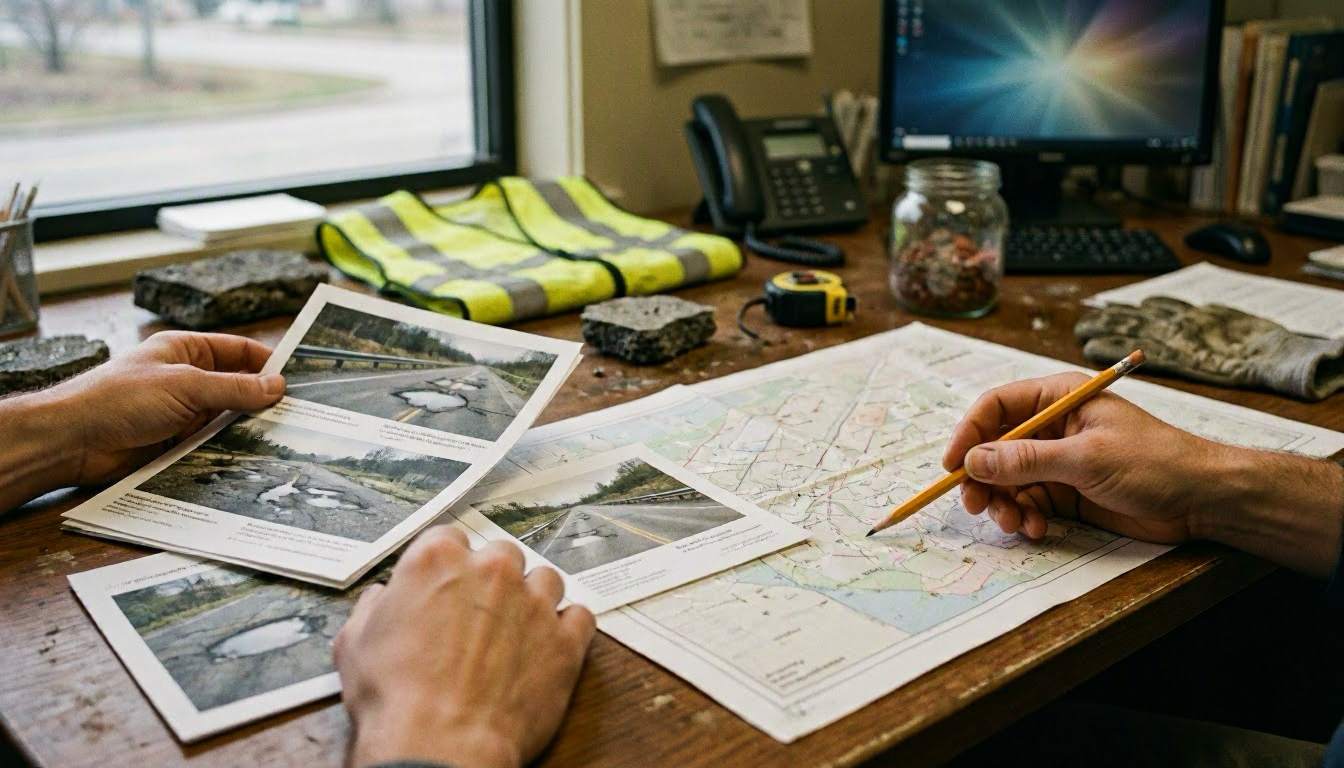
After an accident, documenting hazards is crucial. Photos or videos of the problem help. They show what caused the crash. Witnesses can describe the hazard before or after the accident.
Experts might also help. They can study skid marks and vehicle damage. They look at the road surface too. Weather records can show if rain or ice made the hazard worse.
Why Hazardous Road Conditions Matter?

Hazardous road conditions affect traffic safety and legal responsibility. Poor road conditions cause about one-third of U.S. Traffic deaths each year. These accidents also lead to car repairs, medical bills. And lost wages.
When agencies don't fix hazards, victims pay the price. Legal claims help injured people get money back. They also push for better road maintenance.
In legal cases, hazardous road conditions are often key evidence. Georgia uses a rule called modified comparative negligence. Victims can get money if they're less than 50% at fault.
A road hazard can reduce a victim's fault. It can also prove the road owner is liable. For example, swerving to avoid a pothole might shift blame away from a driver. This only works if the pothole wasn't clearly marked.
When Hazardous Road Conditions Matter Most?
Hazardous road conditions matter most in certain situations. After bad weather, roads may have new dangers. Heavy rain, ice. Or hurricanes can cause sinkholes or downed power lines. Agencies must check roads fast and put up warnings.
Construction zones need extra care too. Temporary lane shifts or loose gravel can cause accidents. Poor signage can confuse drivers. At night, hazards are harder to see. Dark roads can hide potholes or debris until it's too late.
Serious accidents often lead to legal claims. Rear-end crashes can happen because of sudden potholes. Rollovers occur on poorly kept curves. Pedestrians can trip on uneven sidewalks. In Decatur, busy roads like Ponce de Leon Avenue have extra risks.
Victims can get money for medical bills and pain. But they must prove the hazard existed. They must show the responsible party didn't fix it. Here are common accident types caused by road hazards:
- Accidents during or after severe weather, when new hazards appear.
- Collisions in construction zones with unclear signs or debris.
- Nighttime crashes where poor lighting hides road defects.
- Pedestrian injuries on cracked or uneven sidewalks.
- Multi-vehicle pileups caused by sudden hazards like standing water.