Understanding Event Data Recorder
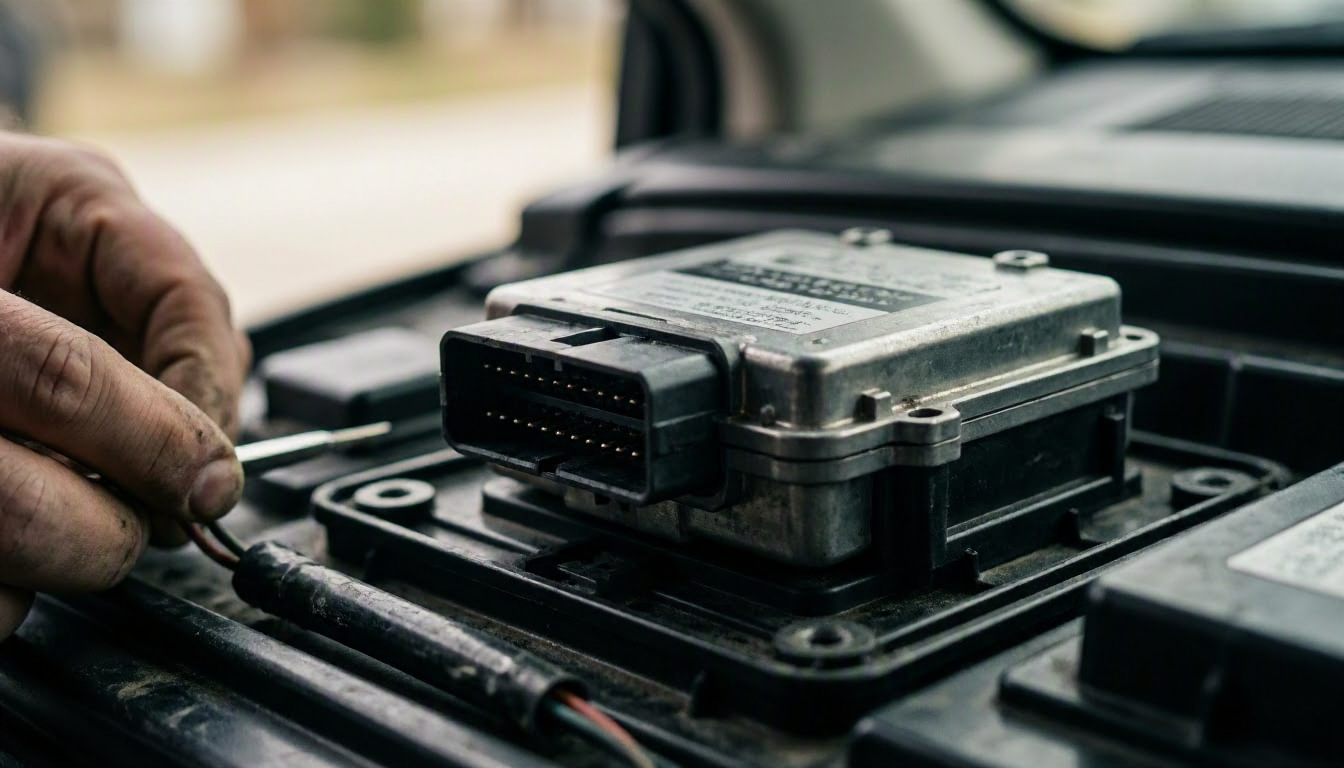
An Event Data Recorder (EDR) is a small electronic device installed in most modern vehicles to capture and store data related to vehicle performance and occupant safety during a crash or other significant event. Unlike a flight data recorder in an airplane, an EDR doesn't record audio or video. Instead, it logs numerical data such as vehicle speed, engine throttle, brake application, steering angles, seatbelt usage, airbag deployment. And the force of impact. This data is collected for a short window of time—typically 5 to 30 seconds before and after the event—and is designed to help investigators understand what happened during a collision.
The National Highway Traffic Safety Administration (NHTSA) has established standards for EDRs, requiring that they record specific data elements in a consistent format. That way that the information is reliable and can be used across different vehicle makes and models. While EDRs are not mandatory in all vehicles, they have become increasingly common as manufacturers integrate them into vehicle safety systems. The data they provide is often critical in legal cases, insurance claims. And safety research, offering an objective record of events that can corroborate or challenge witness statements.
How Event Data Recorder Works, Is Measured. Or Is Used?
Event Data Recorders operate by continuously monitoring a vehicle’s sensors and systems, such as the engine control module, anti-lock braking system. And airbag control module. Under normal driving conditions, the EDR retains data on a rolling basis, overwriting older information as new data is collected. But when the vehicle detects a sudden deceleration, airbag deployment. Or other crash-like event, the EDR locks the data in place, preserving the information from the moments leading up to and following the incident. This preserved data is stored in the vehicle’s onboard computer until it's downloaded by a trained technician using specialized software and hardware.
To access EDR data, investigators typically use a tool called a crash data retrieval (CDR) system, which connects to the vehicle’s diagnostic port. The process requires technical expertise, as improper handling can corrupt or erase the data. In many cases, legal authorization—such as a court order or the vehicle owner’s consent, is required to download and use the data. Once retrieved, the data is analyzed to reconstruct the sequence of events, such as whether the driver was braking, how fast the vehicle was traveling. And whether seatbelts were in use. This analysis can reveal critical details that might not be apparent from physical evidence alone, such as skid marks or vehicle damage.
Why Event Data Recorder Matters?
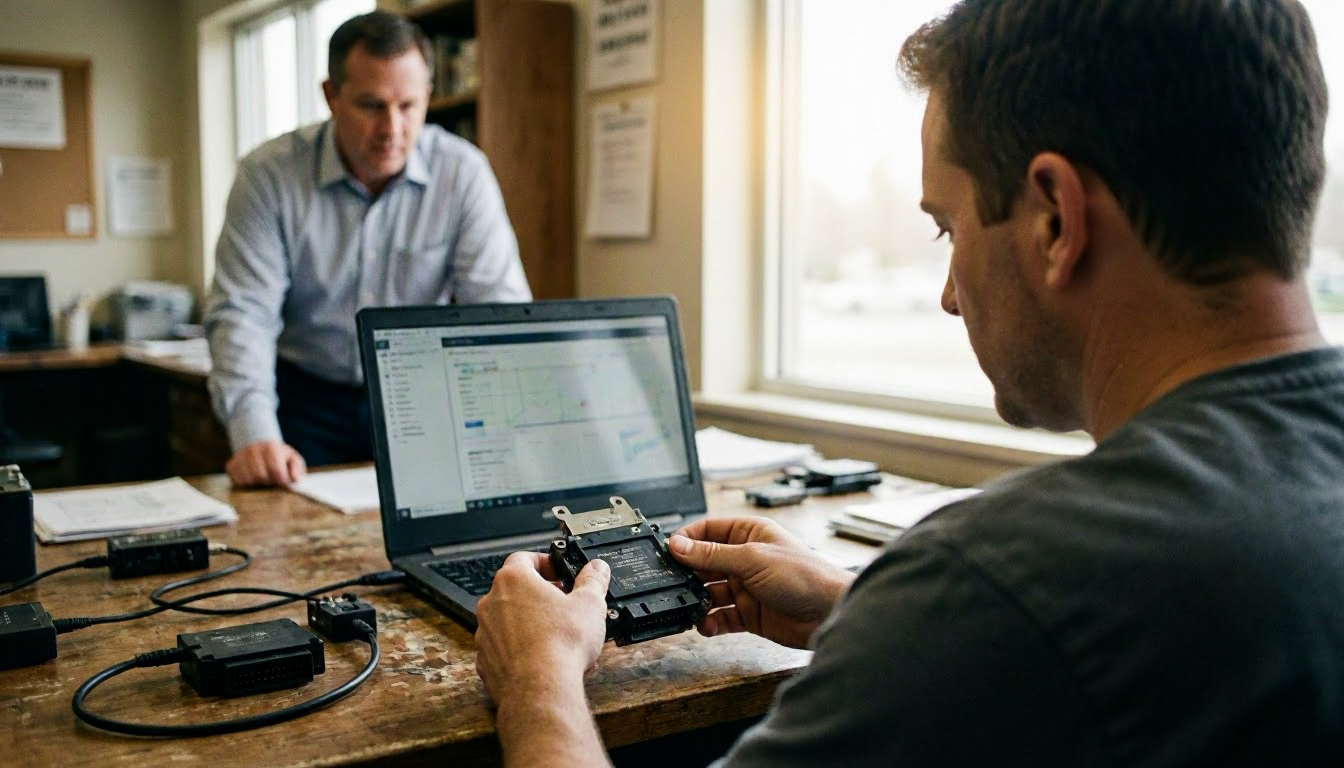
Event Data Recorders play a vital role in accident reconstruction, legal proceedings. And vehicle safety improvements. By providing an objective record of a vehicle’s behavior and occupant actions during a crash, EDR data helps eliminate speculation and bias in determining fault. For example, if a driver claims to have been traveling at the speed limit but the EDR shows excessive speed, the data can refute that claim. Similarly, if the data reveals that a driver did not brake before impact, it may indicate distraction or impairment. This information is invaluable in personal injury cases, where establishing fault can directly impact compensation for medical expenses, lost wages. And pain and suffering.
Beyond legal cases, EDR data is also used by automakers and safety organizations to identify trends in crashes and improve vehicle design. For instance, if data shows that a particular model frequently experiences airbag failures in certain types of collisions, manufacturers can address the issue in future designs. Insurance companies also rely on EDR data to assess claims more accurately, reducing fraud and ensuring fair settlements. For these reasons, understanding how EDRs work and when their data is accessible is essential for anyone involved in a vehicle accident, from drivers and passengers to legal professionals and safety advocates.
When Event Data Recorder Matters Most?
Event Data Recorder data becomes particularly important in situations where fault is disputed, injuries are severe. Or the cause of the accident is unclear. For example, in multi-vehicle collisions, EDR data can help determine which driver initiated the crash or whether mechanical failure played a role. In cases involving pedestrians or cyclists, the data can reveal whether the driver attempted to avoid the collision by braking or swerving. EDR data is also critical in hit-and-run accidents, where the vehicle’s speed and direction of travel can help identify the fleeing driver or corroborate witness accounts.
In legal contexts, EDR data is often sought during discovery in personal injury lawsuits. Attorneys may request the data to build or challenge a case. And courts may admit it as evidence if it meets reliability standards. But accessing the data is not always straightforward. Some vehicles require physical access to the EDR, which may be damaged in a severe crash. While others may overwrite the data if not preserved quickly. And privacy concerns and state laws can limit who is allowed to access the data and under what circumstances. For these reasons, What matters is to act quickly after an accident to ensure the data is preserved and properly analyzed.