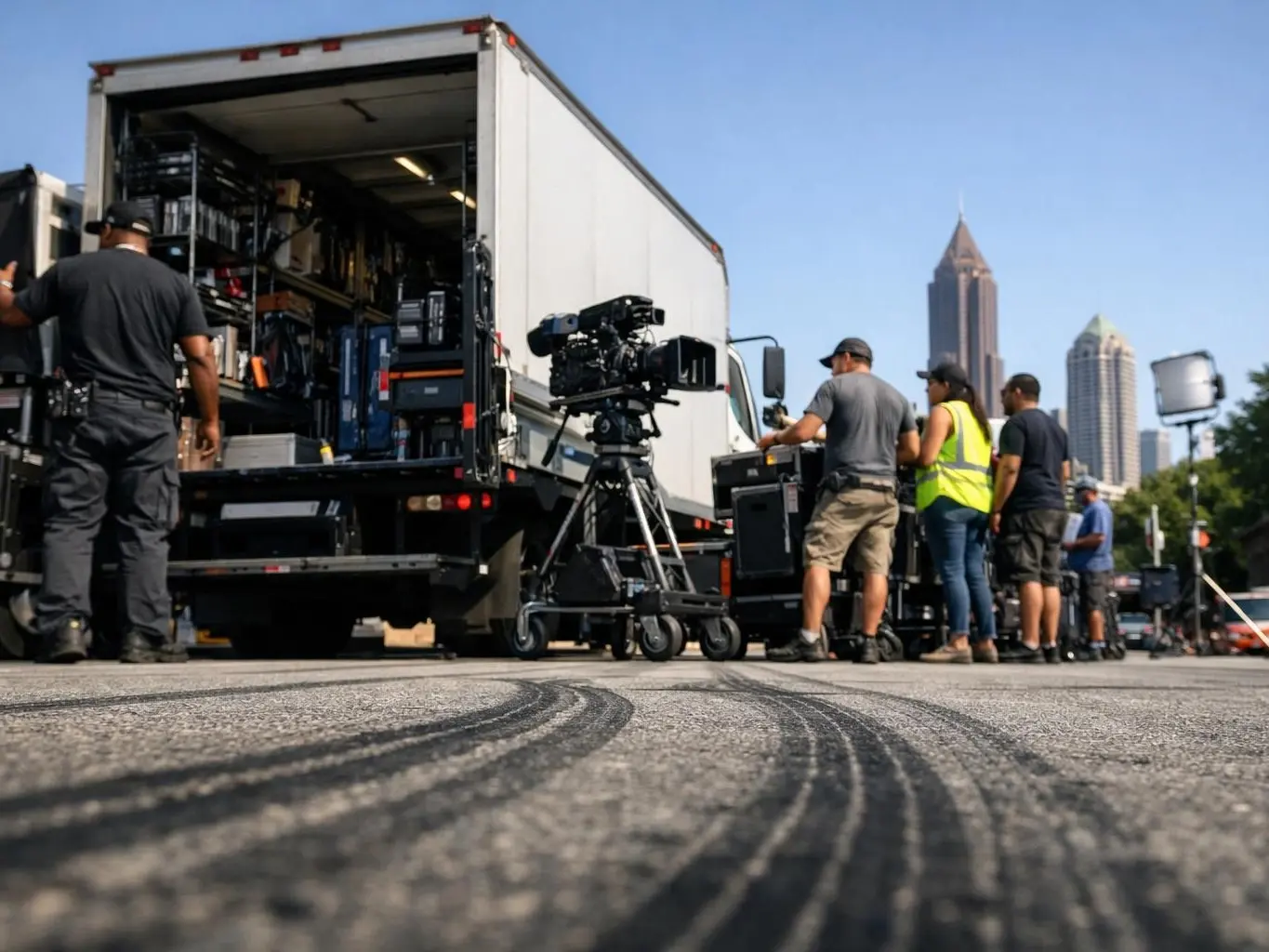
Understanding Expert Witness
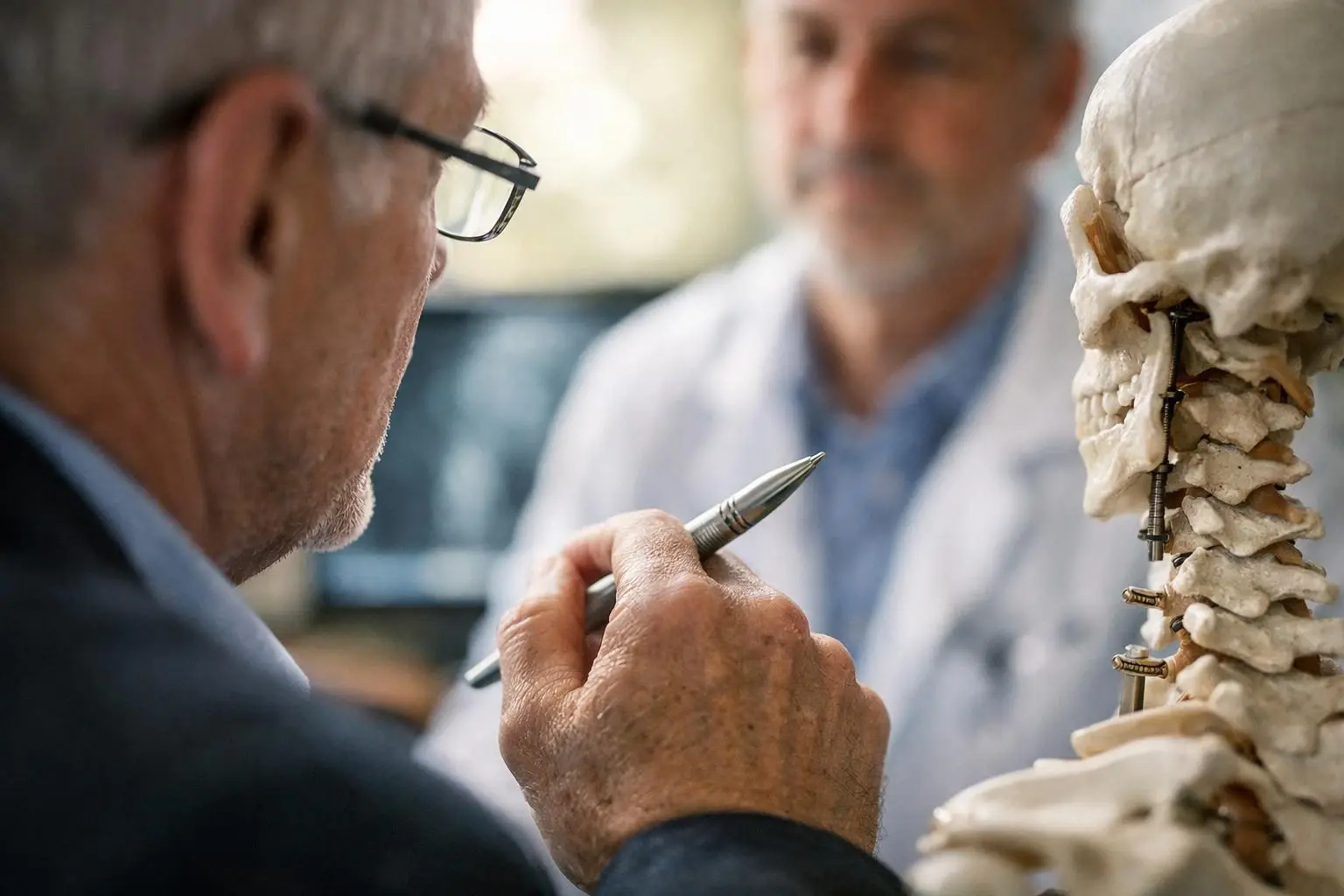
An Expert Witness is a person with specialized training, education. Or experience who is called upon to explain technical or scientific information in a legal case. Unlike a fact witness who testifies about what they saw or heard, an Expert Witness provides opinions based on their expertise. For example, a doctor might explain the extent of injuries in a car accident case. While an engineer could analyze whether a vehicle’s brakes failed due to design flaws.
Related glossary terms: Admissible Evidence, Negligence Per Se, Catastrophic Injury.
Expert Witnesses play a critical role in personal injury lawsuits because many cases involve complex evidence that judges or juries can't interpret on their own. Their testimony helps establish facts such as the cause of an accident, the severity of injuries. Or the long-term impact of medical conditions. To qualify as an Expert Witness, a person must demonstrate that their knowledge is relevant to the case and that their methods are reliable and widely accepted in their field.
How Expert Witness Works in Legal Cases?
The process of using an Expert Witness begins when a lawyer identifies a need for specialized knowledge to support their client’s case. The lawyer then locates a qualified expert, often through professional networks, academic institutions. Or specialized directories. Once retained, the Expert Witness reviews evidence such as medical records, accident reports. Or physical evidence like damaged vehicles. They may also conduct independent tests or research to form their opinions.
Before testifying in court, Expert Witnesses typically prepare a written report summarizing their findings and conclusions. This report is shared with the opposing side during the discovery phase of a lawsuit. In court, the Expert Witness presents their opinions under oath and may be cross-examined by the opposing lawyer. The judge acts as a gatekeeper, ensuring the expert’s testimony is based on sound science, relevant to the case. And helpful to the jury.
Why Expert Witness Matters?
Expert Witness testimony can significantly influence the outcome of a legal case by providing clarity on technical issues that are beyond the average person’s understanding. For instance, in a car accident lawsuit, an accident reconstructionist might use physics and engineering principles to show how a collision occurred. While a medical expert could explain whether the plaintiff’s injuries are consistent with the accident. Without this testimony, juries might struggle to connect the evidence to the legal claims being made.
Expert Witnesses also help level the playing field in cases where one side has more resources or access to information. By presenting well-supported opinions, they ensure that both sides have an opportunity to make their strongest arguments. Their credibility can strengthen a case, especially when their conclusions align with other evidence like police reports or medical records.
When Expert Witness Matters Most?
Expert Witnesses are most critical in cases involving complex or disputed technical issues. In personal injury lawsuits, common scenarios include disputes over the cause of an accident, the severity of injuries. Or the need for future medical treatment. For example, in a case involving a traumatic brain injury, a neurologist’s testimony might be essential to prove the injury’s impact on the plaintiff’s life. Similarly, in a product liability case, an engineer could testify about whether a defective part caused a crash.
Expert Witnesses are also valuable in cases where liability is unclear. For instance, if two drivers blame each other for a collision, an accident reconstructionist can analyze skid marks, vehicle damage. And witness statements to determine who was at fault. Their testimony can help resolve disputes that would otherwise rely on conflicting accounts from non-experts. In Decatur, GA, Expert Witnesses are frequently used in lawsuits involving car accidents, truck collisions. And workplace injuries where technical evidence is key to proving negligence or damages.