Understanding Traumatic Brain Injury

Traumatic Brain Injury (TBI) happens when sudden trauma hurts the brain. This can come from a fall, car crash. Or sports hit. The brain may move violently inside the skull. Or the skull itself may get pierced.
Related glossary terms: Catastrophic Injury, Pain and Suffering, Economic Damages.
TBI isn't like diseases or strokes. It comes from outside force, not internal problems. The impact can bruise brain tissue. It can also tear nerve fibers or cause bleeding. Swelling or blood clots may disrupt brain activity.
TBI has three main levels: mild, moderate. And severe. Mild TBI is often called a concussion. It may cause brief confusion, dizziness. Or headaches. Most people recover in days or weeks.
Moderate TBI involves longer unconsciousness or memory loss. Severe TBI can lead to coma, disability. Or death. Symptoms may not show up right away. Watch for headaches, slurred speech, seizures. Or mood changes.
How Traumatic Brain Injury Is Diagnosed and Treated?
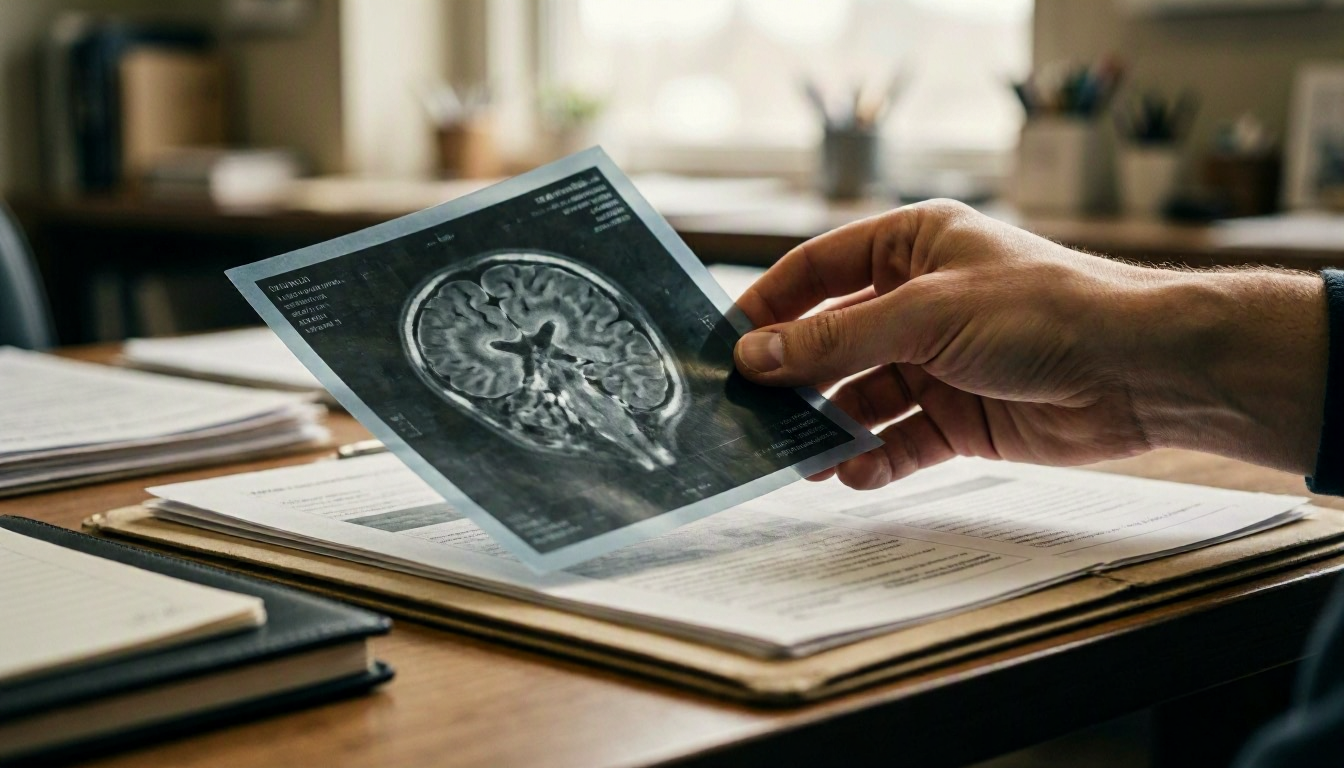
Doctors diagnose TBI with exams, tests. And assessments. CT scans are often used first in emergencies. They quickly show bleeding, swelling. Or skull fractures. MRI scans may follow for more detail.
Neurological exams check memory, focus, balance. And reflexes. This helps see how the injury affects brain function. Treatment depends on how severe the TBI is.
Mild TBI often needs rest and pain relievers. People should return to activities slowly with doctor's help. Moderate to severe TBI may need hospital care. Surgery can remove blood clots or fix skull fractures.
Rehab services like therapy may be needed. These include physical, occupational. Or speech therapy. Long-term care might involve counseling or assistive devices. They help people regain independence.
Why Traumatic Brain Injury Matters?
TBI has big personal, medical. And financial effects. Even mild TBI can disrupt work, school. And daily life. Severe TBI may need lifelong care and support.
The CDC says TBI causes about 30% of injury deaths in the U.S. Survivors may face disabilities or cognitive problems. They might have emotional challenges or personality changes. These can affect relationships and quality of life.
TBI also costs a lot of money. Medical bills and lost income strain families. In legal cases, TBI often matters in injury claims. This is true when negligence caused the injury.
Compensation may cover medical costs and lost wages. It can also pay for pain and suffering. Future care needs may be included too.
When Traumatic Brain Injury Matters Most?
TBI is important in high-risk or negligent situations. Car crashes, falls at work. And sports hits often cause TBI. In Decatur, GA, traffic accidents on busy roads often lead to TBI claims.
Roads like Interstate 285 or Memorial Drive see many accidents. Sudden stops, rollovers. Or hard impacts can hurt heads. TBI also matters when liability is disputed.
If a property owner doesn't fix a broken handrail, a visitor might fall. Hitting their head could lead to a TBI claim. If a helmet or airbag fails in a crash, product laws may apply.
Spotting TBI symptoms early helps legal claims. Medical records and expert testimony strengthen cases. Insurance companies often question TBI claims because they cost a lot.
Fair compensation needs good records and legal help. In Georgia, injury claims must be filed within two years. So it's important to act fast.