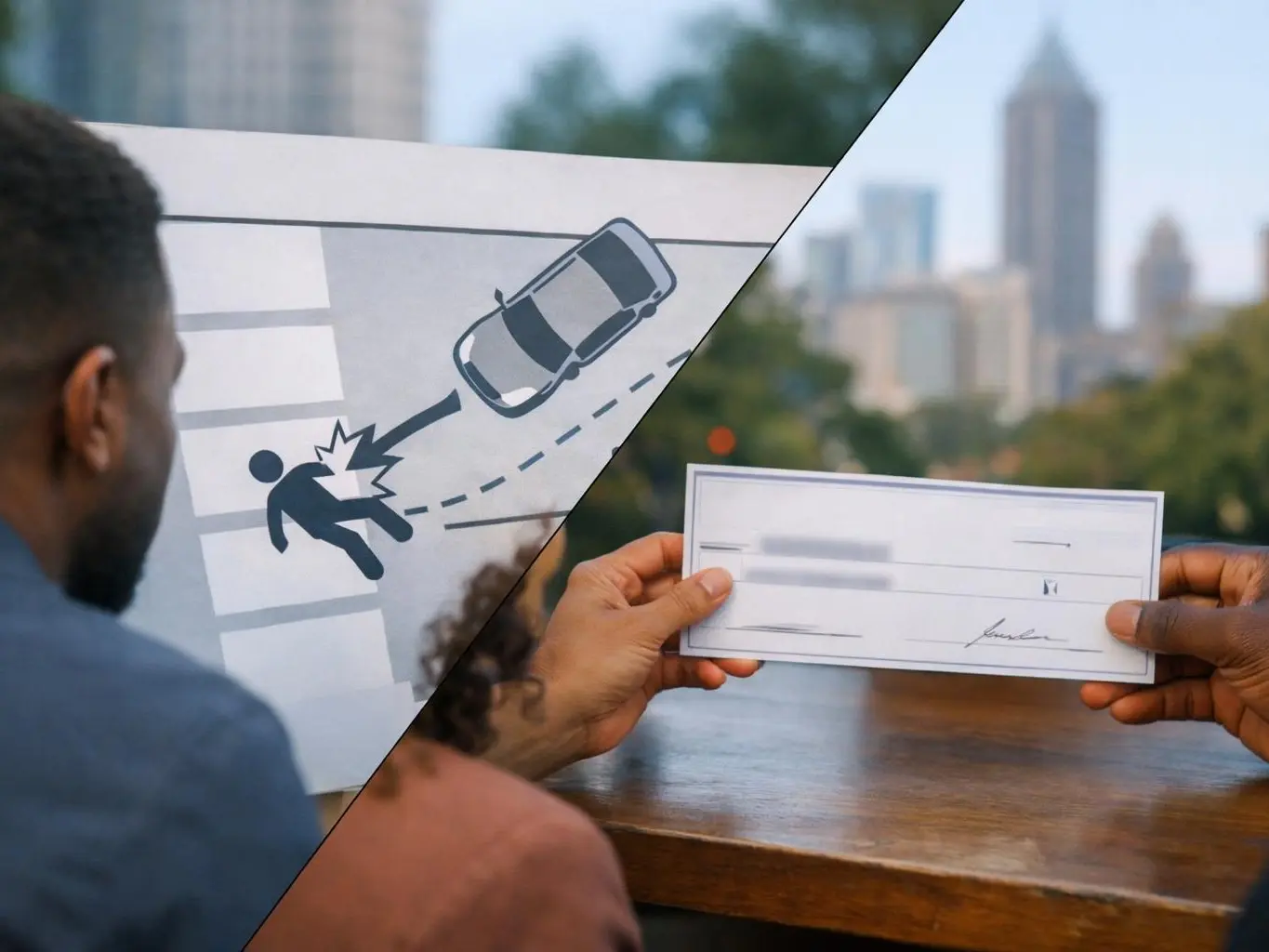
Glossary

What is Pain and Suffering?

Pain and Suffering is a legal term for the physical discomfort, emotional distress. And mental anguish a person endures after an injury caused by another’s negligence. It covers ongoing pain, anxiety, depression, loss of enjoyment of life. And other non-economic harms that can't be measured by medical bills or lost wages alone.

Reviewed by Ronnie MabraSources reviewed: Georgia Code § 51-12-4, American Bar Association - Personal Injury Damages

Quick Facts About Pain and Suffering

Category

Non-economic damages

Used for

Compensating injury victims for intangible harm

Common confusion

Often mistaken for punitive damages, which punish wrongdoers instead

Also called

Non-economic damages, Emotional distress

Often discussed with

Car Accident Lawyer, Truck Accident Lawyer

Key Takeaways About Pain and Suffering

Understanding Pain and Suffering

Pain and Suffering in Personal Injury Lawyer: Pain and Suffering is a legal term for the physical discomfort, emotional—vi...

Pain and suffering means harm from an injury. This harm can be physical or emotional. It happens when someone else is careless.

Related glossary terms: Punitive Damages, Catastrophic Injury, Tort Law.

Medical bills and lost wages have clear costs. But pain and suffering is harder to measure. It includes chronic pain, anxiety. And trouble sleeping. It can also mean missing hobbies or daily fun.

These effects are personal. So, they need good records to prove in a legal claim.

In injury law, pain and suffering is called non-economic damages. This means it pays for losses that don’t have a price tag. But they still hurt your life.

A car accident victim might get money for broken bones. That’s economic damages. They can also get money for fear of driving again. Or for depression after the crash. That’s non-economic damages.

Courts say these harms are real. They deserve fair pay.

How Pain and Suffering Is Measured?

There’s no set way to calculate pain and suffering. But insurers and courts use two common methods.

One is the multiplier method. They take your medical bills and lost wages. Then they multiply that total by a number, usually 1.5 to 5. The number depends on how bad the injury is.

For example, if bills total ,000 and they use 3, you’d get ,000.

The other method is per diem. This gives a dollar amount for each day you suffer. It lasts until you’re as healed as you’ll get.

To win a claim, you need proof. Medical records and therapist notes help. So do journals that track your symptoms.

Family, friends. Or counselors can also speak up. They can show how the injury changed your life. In Georgia, juries decide what’s fair. Good records make your case stronger.

Why Pain and Suffering Matters?

How Pain and Suffering applies to Personal Injury Lawyer services in Decatur, United States—practical illustration

Pain and suffering pay does two things. First, it says injuries hurt more than just your wallet. A victim with chronic pain or depression may never fully heal.

This money helps with the lasting impact. Second, it makes the at-fault party responsible. They must pay for all the harm they caused.

Without this pay, victims might suffer alone. There’d be no help for their pain.

This money can also help with other needs. It might pay for counseling or therapy not covered by insurance. Or it could help modify a home for a disability.

No money can undo an injury. But fair pay can help victims move forward.

When Pain and Suffering Matters Most?

Pain and suffering claims matter most in big injury cases. These involve long-term harm. Examples are brain injuries, spinal damage. Or severe burns.

These injuries often cause lasting limits. Or they bring emotional distress. Even small injuries, like whiplash, can lead to chronic pain.

That pain can justify a claim.

Claims also matter when injuries change your life. An athlete who can’t play sports may have a strong case. So might a parent who struggles to care for kids.

A professional with PTSD after a crash could also claim. In Georgia, you usually have two years to file. So don’t wait to seek pay.

In Decatur, GA. And metro Atlanta, these claims are common. Heavy traffic leads to many car crashes. Local courts and insurers know these claims well.

Victims should work with pros. They know how to gather and show evidence right.

How to Evaluate Pain and Suffering?

Related Concepts Compared

Pain and Suffering vs. Punitive Damages

Punitive damages punish the at-fault party for reckless or intentional misconduct. While pain and suffering compensates the victim for their harm.

Pain and Suffering vs. Economic Damages

Economic damages cover measurable financial losses like medical bills and lost wages, whereas pain and suffering addresses intangible harm.

Pain and Suffering vs. Loss of Consortium

Loss of consortium compensates a spouse or family member for the loss of companionship or support. While pain and suffering compensates the victim directly.

Expert Note

Pain and suffering is often the largest component of a personal injury settlement. Yet it’s the hardest to quantify. Juries and adjusters look for consistent, detailed evidence—like treatment records and personal accounts—to assess its value fairly.

Common Mistakes or Myths About Pain and Suffering

  • Assuming pain and suffering only applies to severe injuries—even minor injuries can cause lasting emotional distress.
  • Failing to document symptoms or treatment, making it harder to prove the claim.
  • Confusing pain and suffering with punitive damages, which serve different legal purposes.
  • Waiting too long to file a claim, risking the loss of the right to compensation under Georgia’s statute of limitations.

Pain and Suffering in Practice: A Real-World Example

After a rear-end collision, Maria suffered whiplash and developed anxiety about driving. While her medical bills totaled ,000, she also struggled with insomnia and avoided highways, which affected her job. Her pain and suffering claim accounted for these ongoing emotional and physical challenges, resulting in a higher settlement.

Sources & Further Reading on Pain and Suffering

  • Georgia Code § 51-12-4
  • American Bar Association - Personal Injury Damages
  • Centers for Disease Control and Prevention - Injury Prevention

Related Services

Related Terms

Punitive Damages

Punitive Damages are additional monetary awards a court may impose on a defendant beyond compensatory damages to punish especially reckless, malicious. Or fraudulent conduct and deter similar future behavior. Unlike damages meant to repay losses, punitive damages target the defendant’s wrongful actions rather than the plaintiff’s injuries.

Catastrophic Injury

Catastrophic Injury is a severe physical harm that permanently alters a person’s ability to perform daily activities, work. Or live independently. These injuries often result from sudden trauma, such as car accidents, falls. Or violence. And typically involve the brain, spinal cord, limbs. Or internal organs. Recovery may require lifelong medical care, rehabilitation. And assistive devices.

Tort Law

Tort Law is a branch of civil law that allows individuals to seek compensation when they suffer harm or loss due to another party’s wrongful actions or negligence. It covers injuries, property damage. And other losses caused by accidents, intentional acts. Or failures to act responsibly. The goal is to restore the injured party to their pre-harm condition, often through financial damages.

Loss of Consortium

Loss of Consortium is a legal claim for damages suffered by a spouse or family member when an injured person’s accident-related harm deprives them of companionship, affection, sexual relations, household services. Or emotional support. Courts recognize this harm as separate from the injured person’s own losses and allow compensation in personal injury cases.

Maximum Medical Improvement

Maximum Medical Improvement is the point in a personal injury case when a treating physician determines that an injured person’s condition has stabilized and is unlikely to improve further with additional medical treatment. This milestone doesn't mean the person is fully recovered or symptom-free, only that no significant progress is expected.

Atlanta Auto Law

Have Questions About Pain and Suffering?

Contact Atlanta Auto Law for practical guidance on Pain and Suffering and related personal injury lawyer work in Decatur.

+1 678-235-3870