Understanding Settlement Demand Letter

A Settlement Demand Letter is a critical document in personal injury cases, marking the transition from gathering evidence to active negotiations. It's not a legal filing but a detailed proposal sent to the insurance company or responsible party, explaining why the sender believes they're entitled to compensation. The letter typically includes a narrative of the incident, medical treatment received, financial losses incurred. And an itemized breakdown of damages. Its purpose is to persuade the recipient that settling for the demanded amount is more cost-effective than risking a lawsuit.
Related glossary terms: Maximum Medical Improvement, Insurance Adjuster, Pain and Suffering.
This letter is often the first formal communication that presents the full scope of the claim. It must be thorough yet concise, balancing factual accuracy with persuasive argument. While the tone is professional, the content should clearly convey the seriousness of the injuries and the impact on the victim’s life. A well-prepared Settlement Demand Letter can set the stage for productive negotiations. While a poorly constructed one may lead to lowball offers or outright denial.
How Settlement Demand Letter Works?
The process begins with the injured party or their attorney compiling all relevant evidence, including medical records, police reports, witness statements, photographs. And proof of lost wages. This documentation forms the backbone of the letter, providing objective support for the claimed damages. The letter itself is structured to tell a clear story: what happened, who was at fault, how the injuries were treated. And what financial and non-financial losses resulted. It concludes with a specific dollar amount requested to settle the claim.
Once sent, the insurance company reviews the letter and responds with either an acceptance, rejection. Or counteroffer. This begins a back-and-forth negotiation process, where both sides may adjust their positions based on the strength of the evidence and legal arguments. The Settlement Demand Letter is not binding. But it establishes the framework for these discussions. If negotiations fail, the case may proceed to litigation, where the letter can still serve as a reference point for the victim’s initial demands.
In Georgia, as in most states, the timing of the Settlement Demand Letter is important. It is typically sent after the injured party reaches Maximum Medical Improvement (MMI), meaning they have recovered as much as possible from their injuries. That way that all medical expenses and long-term impacts are accounted for in the demand amount. Sending the letter too early may result in an undervalued claim. While delaying too long could risk missing the statute of limitations.
Why Settlement Demand Letter Matters?
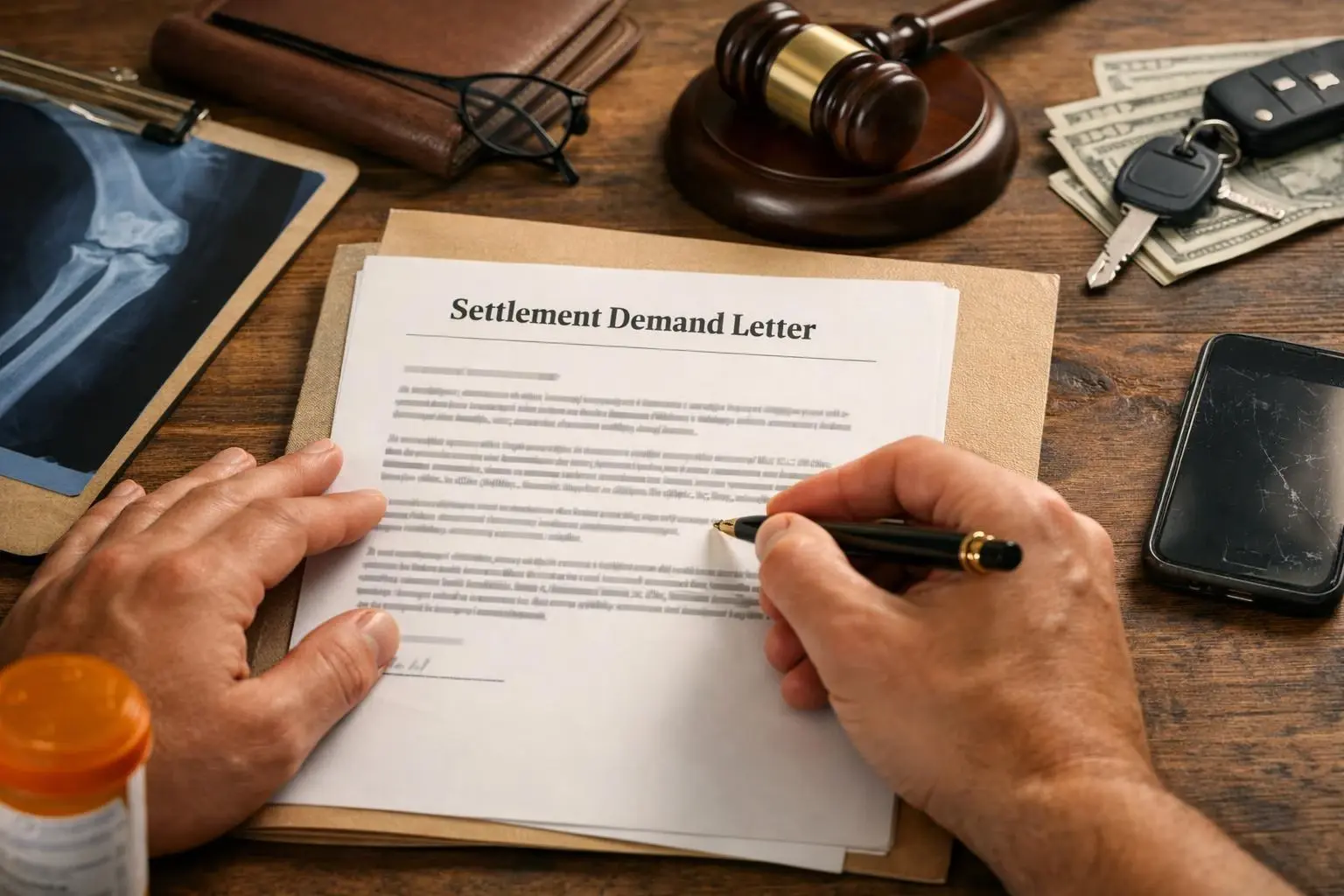
A Settlement Demand Letter is more than just a request for money—it is a strategic tool that can significantly influence the outcome of a personal injury claim. For the injured party, it provides an opportunity to present their case in the best possible light, highlighting the strengths of their claim while minimizing weaknesses. For the insurance company, it offers a clear understanding of the risks they face if the case goes to trial, often motivating them to settle rather than incur the costs and uncertainties of litigation.
The letter also serves as a record of the injured party’s position at the outset of negotiations. If the case later goes to court, the Settlement Demand Letter can be used to demonstrate that the victim made a good-faith effort to resolve the matter fairly. Conversely, an overly aggressive or unrealistic demand may weaken the victim’s credibility. That means the tone, content. And supporting evidence must be carefully calibrated to achieve the best possible outcome.
When Settlement Demand Letter Matters Most?
A Settlement Demand Letter becomes particularly important in several key scenarios. First, when the injuries and damages are significant, the letter helps quantify the full extent of the losses, including medical bills, lost income. And pain and suffering. Without a detailed demand, the insurance company may underestimate the claim’s value. Second, when liability is clear—such as in rear-end collisions or drunk driving accidents—the letter can use this strength to push for a fair settlement quickly.
Third, the letter is crucial when dealing with insurance companies that have a history of lowball offers or delays. A well-documented demand can force them to take the claim seriously and engage in meaningful negotiations. Finally, in cases where the statute of limitations is approaching, sending a Settlement Demand Letter can demonstrate that the injured party is proactive about resolving the claim, which may help avoid last-minute legal complications. In Decatur, GA, where local courts handle a high volume of personal injury cases, a timely and well-prepared demand letter can help simplify the process and improve the chances of a favorable settlement.
- After reaching Maximum Medical Improvement to ensure all damages are accounted for.
- When liability is clear. And the evidence supports a strong claim.
- Before the statute of limitations expires to preserve legal rights.
- When dealing with insurance companies known for delaying or undervaluing claims.