Understanding Liability Insurance

Liability insurance is a deal between you and an insurance company. You pay them regular fees, called premiums. In return, they cover certain costs if you hurt someone or damage their property.
Related glossary terms: At-Fault Driver, No-Fault Insurance, Underinsured Motorist Coverage.
This coverage protects your savings, home. Or future paychecks. It keeps them safe from big accident costs.
In Georgia, liability coverage has two main parts. One is for bodily injury. And the other is for property damage. Bodily injury pays for medical bills, lost wages. And pain from injuries you cause.
Property damage pays to fix or replace things you damage. This could be another car, a fence. Or a building. Both parts work together to protect your money.
How Liability Insurance Works?
After an accident, the hurt person files a claim. They file it with the at-fault driver's insurance company. The insurer checks the claim, decides who's at fault. And pays what they owe.
If the hurt person sues, the insurer provides a lawyer. They also pay court costs up to the policy limit. For example, say a driver has ,000 coverage per person.
If they cause an accident with ,000 in medical bills, the insurer pays ,000. The driver must pay the rest.
Georgia law sets minimum coverage amounts. These are ,000 per person for bodily injury and ,000 per accident. They also require ,000 for property damage.
This is called 25/50/25 coverage. Many drivers pick higher limits to protect their savings or home. Insurance companies show these limits on the policy page.
Why Liability Insurance Matters?
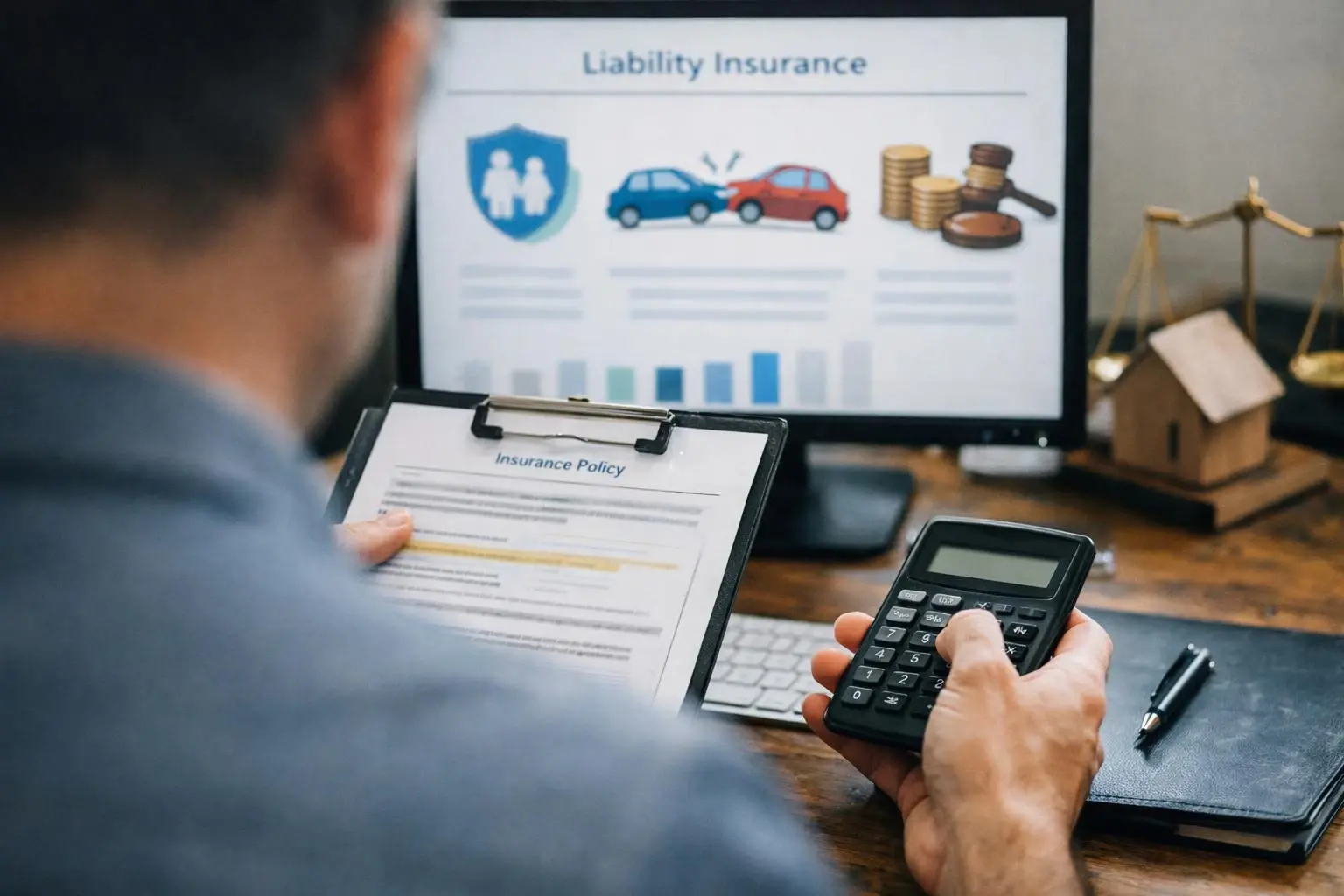
Without liability insurance, you pay all accident costs yourself. Medical bills can reach tens or hundreds of thousands of dollars. Property damage, like to a fancy car, can also be very high.
A lawsuit can wipe out your savings. It can force you to sell your home or take money from future paychecks. Liability insurance acts like a safety net.
It makes sure hurt people get paid. At the same time, it keeps the at-fault person from going broke.
Liability insurance also gives you a lawyer if someone sues. The insurer hires an attorney to defend you in court. This help is important.
Lawsuits can involve complex medical records and accident reports. The insurer handles these details. This lets you focus on getting better, not legal stress.
When Liability Insurance Matters Most?
Liability insurance is very important in bad accidents. It helps when many cars or expensive property are involved. For example, a small rear-end crash may only cost a few thousand dollars.
But a head-on crash with a brain injury can cost over 0,000. In these cases, your policy limit decides how much the hurt person gets. If your limit is too low, they may go after your personal money.
This coverage also helps when accidents involve drivers with no insurance. Georgia requires all drivers to have insurance. But some don't follow the law or only have the minimum.
If an uninsured driver hits you, your own insurance may help. But it might not be enough. Liability insurance makes sure you don't pay for someone else's mistake.
- After a crash with many cars where fault isn't clear.
- When medical care goes beyond the ER, like therapy or surgery.
- If the at-fault driver owns a home or business.
- When an accident involves walkers, bikers. Or trucks, which can lead to bigger claims.
Knowing these situations helps you pick the right coverage. It keeps you from surprises that could hurt your wallet.