Understanding Adhesive Failure
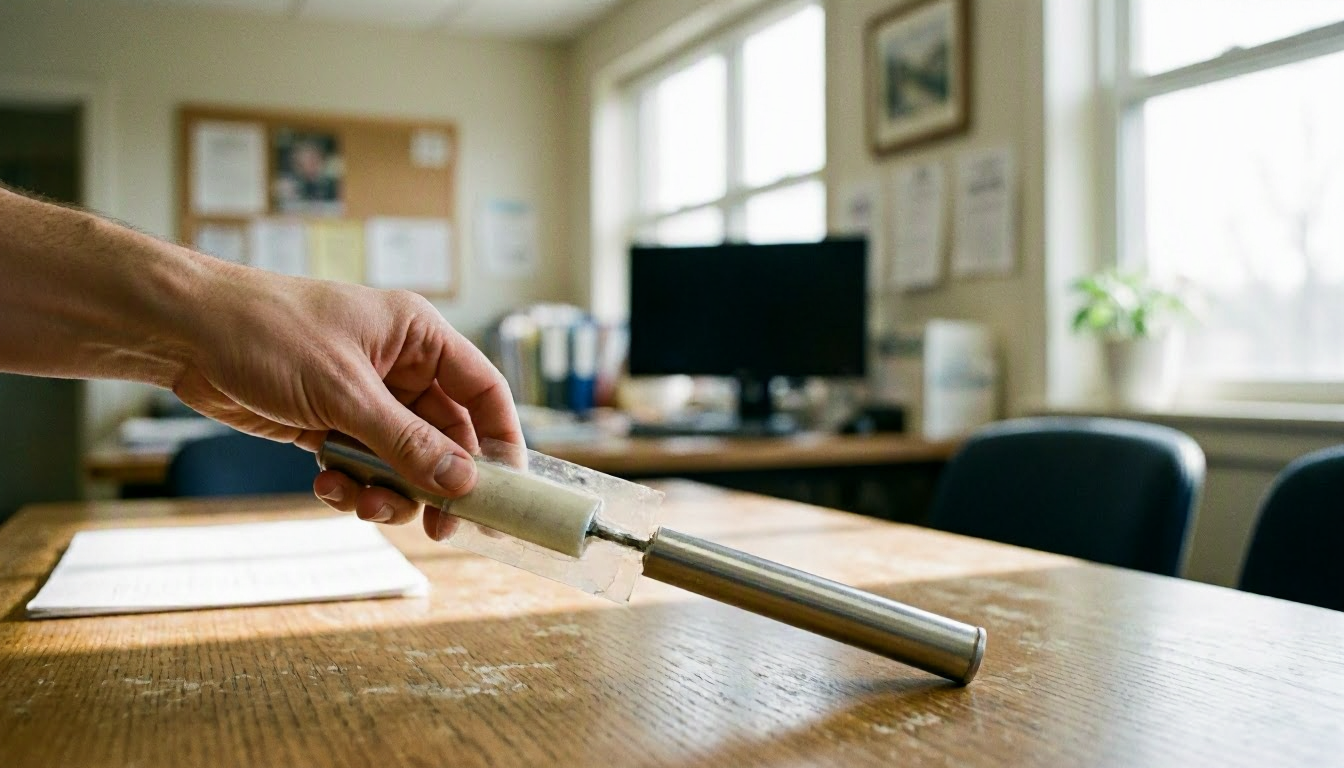
Adhesive Failure describes a specific type of bond failure where two materials separate at the interface between the adhesive and the surface to which it's attached. Unlike Cohesive Failure, which occurs within the adhesive itself, Adhesive Failure indicates that the bond between the adhesive and the substrate was the weakest point. This often results from poor surface preparation, contamination. Or using an adhesive that's not chemically compatible with the materials being joined.
Related glossary terms: Product Liability, Premises Liability, Forensic Accident Reconstruction.
In practical terms, Adhesive Failure can manifest as peeling, flaking. Or complete detachment of bonded layers. For example, a car bumper sticker peeling off a vehicle or a tile falling off a poorly prepared floor may involve Adhesive Failure. The failure is often visible as a clean separation, with little to no adhesive residue left on one of the surfaces. This distinguishes it from Cohesive Failure, where adhesive residue remains on both sides.
How Adhesive Failure Works?
Adhesive Failure occurs when the forces acting on a bonded joint exceed the strength of the bond between the adhesive and the substrate. Several factors contribute to this, including surface energy, cleanliness. And the chemical compatibility of the materials. High surface energy materials, such as metals, typically bond well with adhesives. While low surface energy materials, like certain plastics, may require special surface treatments or primers to achieve a strong bond. Contaminants like oil, dust. Or moisture can also weaken the bond, leading to Adhesive Failure.
Testing for Adhesive Failure often involves standardized methods, such as peel tests, shear tests. Or tensile tests. These tests measure the force required to separate bonded materials and help identify whether the failure occurred at the interface (Adhesive Failure) or within the adhesive (Cohesive Failure). Engineers and manufacturers use these tests to improve product designs, select appropriate adhesives. And ensure durability under real-world conditions.
Why Adhesive Failure Matters?

Adhesive Failure is critical in industries where bonded materials must withstand stress, environmental exposure. Or safety-critical applications. In automotive, aerospace. And construction, Adhesive Failure can lead to catastrophic outcomes, such as structural collapse, equipment malfunction. Or accidents. For instance, if the adhesive bonding a windshield to a car frame fails, the windshield may detach during a collision, increasing the risk of injury to passengers. Similarly, in medical devices, Adhesive Failure could compromise the integrity of implants or wearable sensors, leading to device failure and potential harm.
A common issue is From a legal perspective, Adhesive Failure can be a key factor in product liability and personal injury cases. If a product fails due to Adhesive Failure, it may indicate a design flaw, manufacturing defect. Or failure to follow industry standards. For example, if a ladder rung detaches because the adhesive bond failed, the manufacturer could be held liable for injuries resulting from the fall. Investigating Adhesive Failure often involves forensic analysis to determine whether the failure was due to improper use, poor material selection. Or negligence in the manufacturing process.
When Adhesive Failure Matters Most?
Adhesive Failure becomes particularly important in situations where bonded materials are exposed to harsh conditions or must perform under stress. In the automotive industry, adhesives are used to bond structural components. And Adhesive Failure could compromise vehicle safety. In construction, adhesives secure everything from flooring to roofing materials. And failure can lead to water damage, structural instability. Or safety hazards. Medical devices, such as prosthetics or wearable monitors, also rely on adhesives. And Adhesive Failure could result in device malfunction or patient injury.
In personal injury law, Adhesive Failure is often a focal point in cases involving defective products, premises liability. Or workplace accidents. For example, if a worker is injured because a handrail detaches due to Adhesive Failure, the property owner or manufacturer may be held responsible. Similarly, if a consumer product fails because of Adhesive Failure, the injured party may pursue compensation for damages. Understanding the causes and implications of Adhesive Failure helps attorneys build stronger cases by identifying negligence, design flaws. Or failure to adhere to safety standards.