Understanding Rehabilitation Benefits

Rehabilitation Benefits are designed to help individuals recover from injuries sustained in accidents, workplace incidents. Or other harmful events. Unlike cash payments that compensate for lost wages or pain and suffering, these benefits focus on restoring the injured person’s ability to perform daily activities, return to work. Or live independently. They may include physical therapy, occupational therapy, vocational training. Or mental health counseling.
These benefits are typically provided through insurance policies, workers' compensation programs. Or personal injury settlements. For example, if a construction worker suffers a back injury on the job, workers' compensation may cover physical therapy sessions to help them regain strength and mobility. Similarly, a car accident victim with a traumatic brain injury might receive cognitive rehabilitation to improve memory and problem-solving skills. The goal is to reduce long-term disability and improve quality of life.
How Rehabilitation Benefits Work?
Rehabilitation Benefits are usually approved after a medical professional evaluates the injured person’s needs. The evaluation determines the type and duration of services required, such as physical therapy, speech therapy. Or job retraining. Insurance companies or legal settlements then cover the costs of these services, either by paying providers directly or reimbursing the injured individual.
In workers' compensation cases, employers or insurers often coordinate with rehabilitation specialists to create a recovery plan. For personal injury claims, attorneys may negotiate rehabilitation coverage as part of a settlement. The process typically involves regular progress assessments to ensure the services remain necessary and effective. If the injured person doesn't improve, the benefits may be extended or adjusted based on medical recommendations.
Why Rehabilitation Benefits Matter?
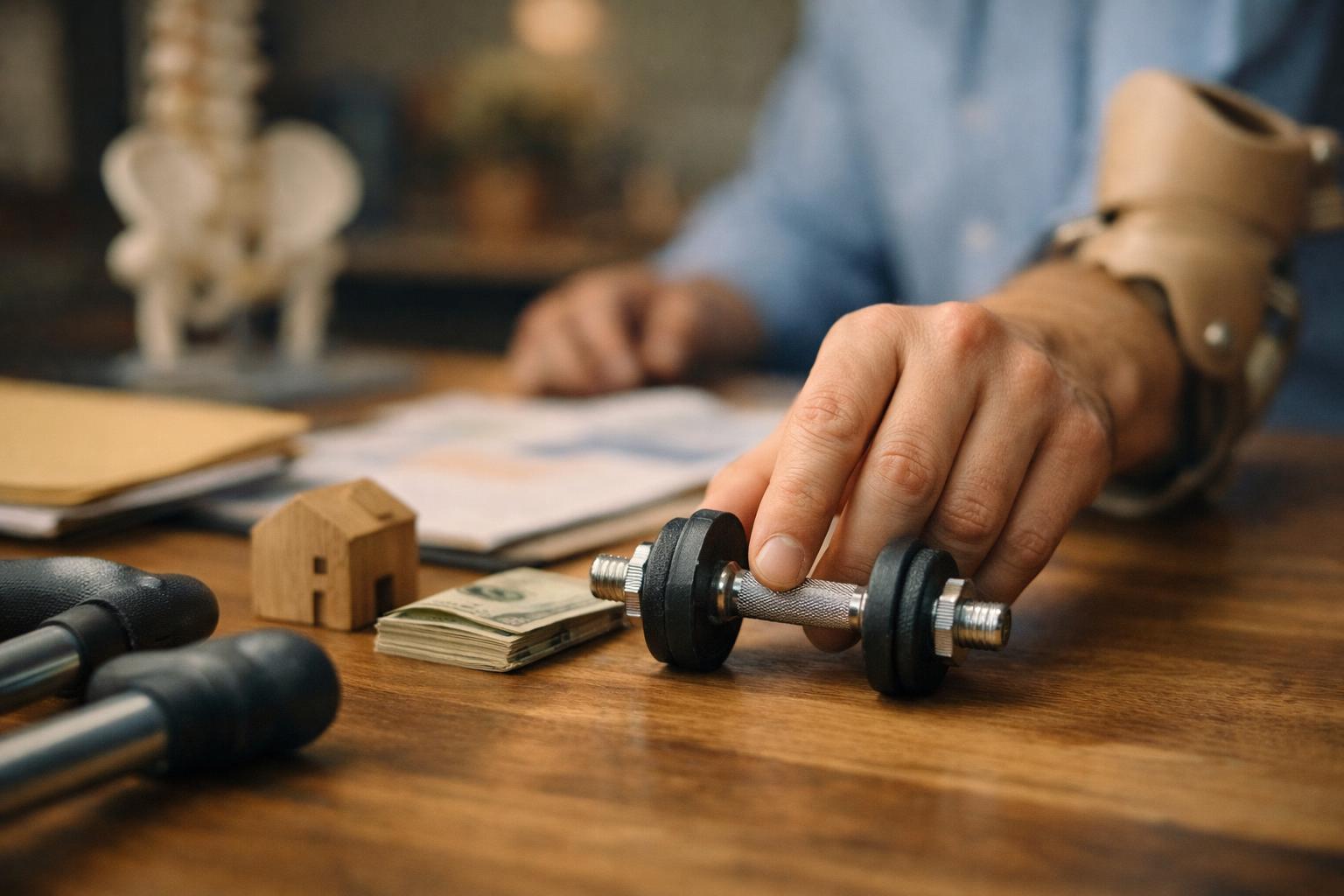
Rehabilitation Benefits play a critical role in reducing the long-term impact of injuries. Without these services, many individuals would struggle to return to work, perform daily tasks. Or maintain their independence. For example, a person who loses mobility in an accident may require months of physical therapy to walk again. Without access to rehabilitation, they might face permanent disability, higher medical costs. Or reliance on family members for care.
These benefits also help reduce financial strain on injured individuals and their families. Medical treatments and therapy sessions can be expensive. And insurance or settlement funds covering these costs prevent out-of-pocket expenses. And rehabilitation can shorten recovery time, allowing individuals to return to work sooner and reduce lost income.
When Rehabilitation Benefits Matter Most?
Rehabilitation Benefits are most important in cases involving serious or long-term injuries. For instance, spinal cord injuries, traumatic brain injuries, severe burns. Or amputations often require extensive rehabilitation to restore function. These benefits are also critical for individuals whose jobs depend on physical or cognitive abilities, such as construction workers, athletes. Or healthcare professionals.
In legal cases, rehabilitation benefits may be negotiated as part of a settlement to ensure the injured person receives ongoing care. For example, a car accident victim with a permanent disability might secure funding for lifelong physical therapy or assistive devices. Workers' compensation programs also prioritize rehabilitation to help employees return to work safely and avoid reinjury.
A practical next step is Rehabilitation Benefits are less common in minor injury cases where full recovery is expected without specialized services. But even in these situations, short-term therapy or counseling may still be covered to speed up healing and prevent complications.