Understanding Hazardous Materials
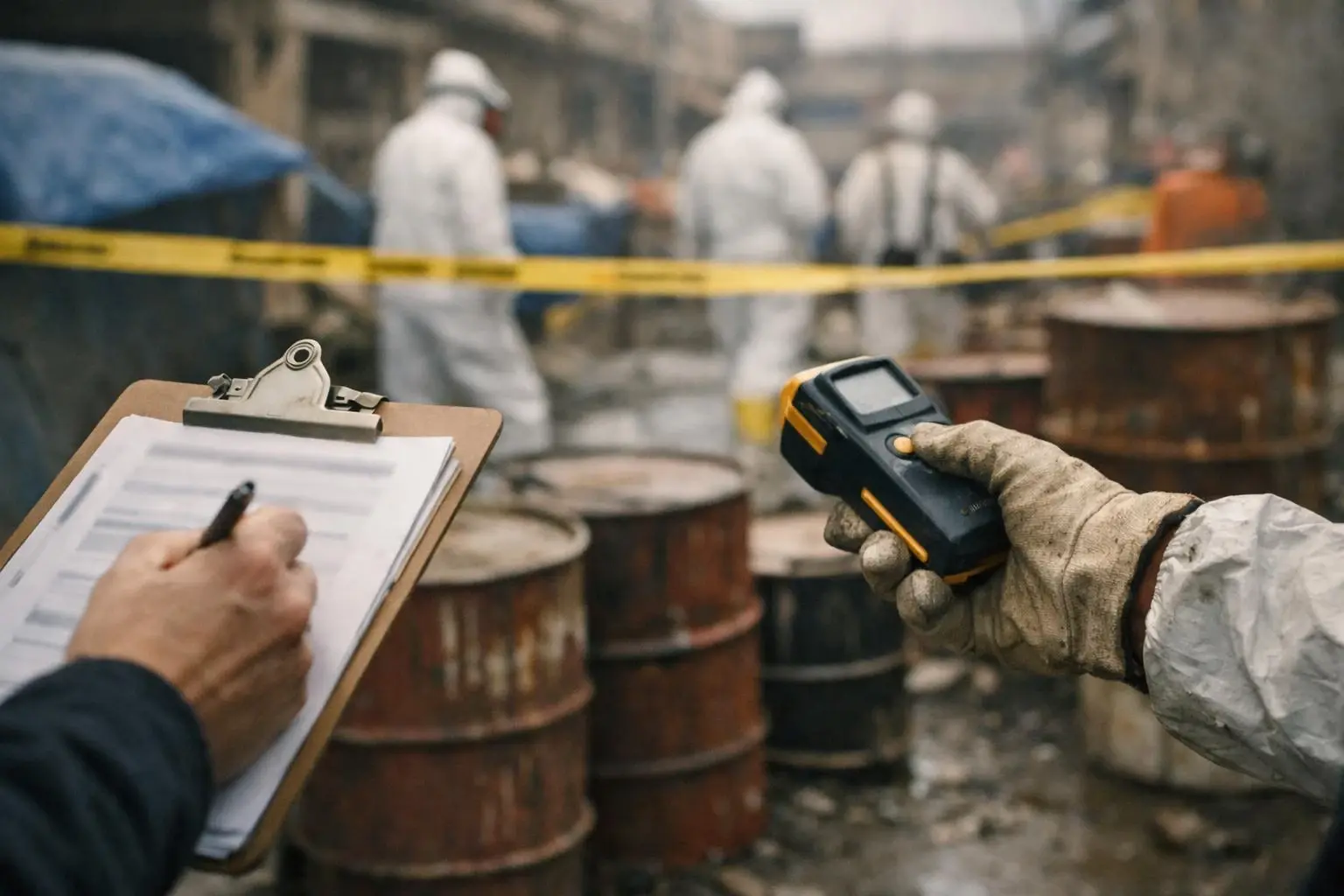
Hazardous Materials, often abbreviated as HazMat, are substances that can cause harm to people, animals. Or the environment. These materials may be flammable, explosive, toxic, corrosive. Or radioactive. Common examples include gasoline, chlorine, asbestos. And medical waste. Because of their potential dangers, Hazardous Materials are subject to strict regulations at the federal, state. And local levels. The U.S. Department of Transportation (DOT) and the Environmental Protection Agency (EPA) set rules for how these materials must be labeled, packaged, transported. And disposed of to cut down on risks.
In everyday life, Hazardous Materials are found in many workplaces, including factories, hospitals, construction sites. And even homes. For example, cleaning products, batteries. And pesticides are considered Hazardous Materials. When these substances are not handled properly, they can lead to fires, explosions, chemical burns. Or long-term health issues like cancer or respiratory diseases. Because of these risks, workers who handle Hazardous Materials must receive specialized training. And employers must provide protective equipment and safety protocols to prevent accidents.
How Hazardous Materials Are Regulated and Handled?
The regulation of Hazardous Materials is designed to protect public health and the environment. The DOT’s Hazardous Materials Regulations (HMR) require that all shipments of Hazardous Materials be properly classified, packaged, marked, labeled. And documented. For example, a truck carrying flammable liquids must display a diamond-shaped placard with a specific hazard class number. The EPA’s Resource Conservation and Recovery Act (RCRA) governs the disposal of Hazardous Materials, ensuring that waste is treated, stored. Or disposed of in ways that prevent contamination of soil and water.
When transporting Hazardous Materials, drivers must follow strict rules to avoid accidents. Tanker trucks carrying gasoline or chemicals must take designated routes, avoid tunnels. And follow speed limits. If a spill or leak occurs, emergency responders, including HazMat teams, are trained to contain the situation safely. These teams wear protective suits and use specialized equipment to clean up spills and prevent further contamination. In some cases, nearby residents may need to evacuate until the area is deemed safe.
Why Hazardous Materials Matters?
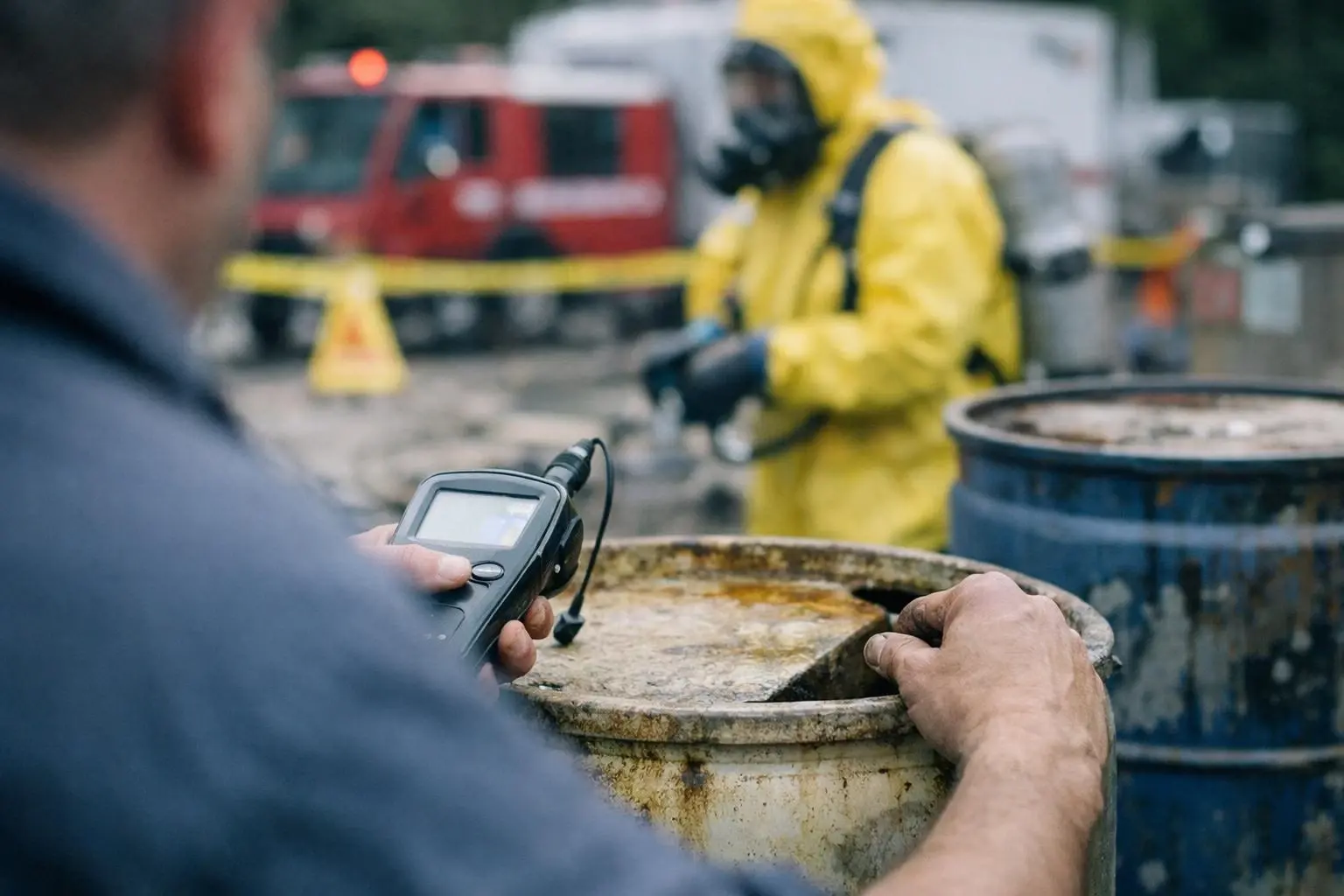
Hazardous Materials are a critical concern because accidents involving these substances can have devastating consequences. A single spill or explosion can injure or kill workers, first responders. And bystanders. For example, a truck carrying chlorine gas that crashes and leaks could cause respiratory failure in anyone exposed. Similarly, improper disposal of Hazardous Materials can contaminate drinking water, leading to long-term health problems for entire communities. These risks make proper handling and regulation essential to public safety.
Beyond immediate dangers, exposure to Hazardous Materials can lead to long-term health issues, such as cancer, neurological disorders. Or organ damage. Workers in industries like manufacturing, construction. Or transportation are at higher risk. But even consumers can be affected by poorly labeled or improperly stored products. When accidents occur, legal liability often falls on the companies or individuals responsible for the materials. Victims may seek compensation for medical expenses, lost wages. And pain and suffering if negligence is proven.
When Hazardous Materials Matters Most?
Hazardous Materials become especially important in situations involving transportation, workplace safety. And emergency response. Truck drivers, warehouse workers. And chemical plant employees must follow safety protocols to prevent accidents. If a truck carrying Hazardous Materials is involved in a collision, the consequences can be far more severe than a typical crash. Emergency responders must quickly assess the situation, secure the area. And prevent exposure to nearby residents or the environment.
For local customers, In legal cases, Hazardous Materials often play a role when injuries or environmental damage occur due to negligence. For example, if a company fails to properly label or secure a shipment of toxic chemicals. And a worker is injured So the company may be held liable. Similarly, if a landfill improperly disposes of Hazardous Materials and contaminates a neighborhood’s water supply, affected residents may pursue legal action. Understanding the regulations and risks associated with Hazardous Materials is crucial for determining liability and ensuring fair compensation for victims.