Understanding EMS Report

An EMS Report is a detailed record prepared by Emergency Medical Services (EMS) providers, such as paramedics or emergency medical technicians (EMTs), at the scene of an accident, injury. Or medical emergency. These reports are created as part of standard emergency response procedures and serve multiple purposes. They document the patient's condition upon arrival, the care provided, any changes in the patient's status. And the methods used to transport the patient to a medical facility. Because EMS providers are often the first medical professionals to assess an injured person, their observations and actions are critical for both immediate treatment and long-term legal or insurance proceedings.
EMS Reports are structured to capture specific information in a standardized format. This includes the time of the emergency call, arrival at the scene, patient assessment, interventions performed (such as administering oxygen, splinting injuries. Or providing medications). And the patient's response to those interventions. The report also notes the destination hospital, the mode of transport (ambulance, helicopter, etc.). And any communication with medical control or hospital staff. This structured approach ensures that all relevant details are recorded consistently, which is essential for continuity of care and for any next investigations or legal actions.
How EMS Reports Are Created and Used?
EMS Reports are typically completed during or immediately after the emergency response. Providers use handheld devices, tablets. Or paper forms to record observations and actions in real time. The report begins with basic information, such as the date, time. And location of the incident, as well as the names of the EMS personnel involved. Patient information, including name, age. And chief complaint, is recorded, followed by a detailed assessment of vital signs (heart rate, blood pressure, breathing rate) and physical condition. Any treatments administered, such as bandaging wounds, immobilizing fractures. Or performing CPR, are documented step-by-step.
Once the patient is transported to a hospital, the EMS Report is often shared with hospital staff to ensure smooth care. The report may also be requested by insurance companies, attorneys. Or law enforcement as part of an investigation. In personal injury cases, EMS Reports are frequently used to establish the severity of injuries, the timeline of events. And the immediate medical needs of the patient. For example, if a patient is involved in a car accident, the EMS Report can provide critical details about their condition at the scene, which may differ from their condition upon arrival at the hospital. This information can be key in determining liability or the extent of damages.
Why EMS Reports Matter?
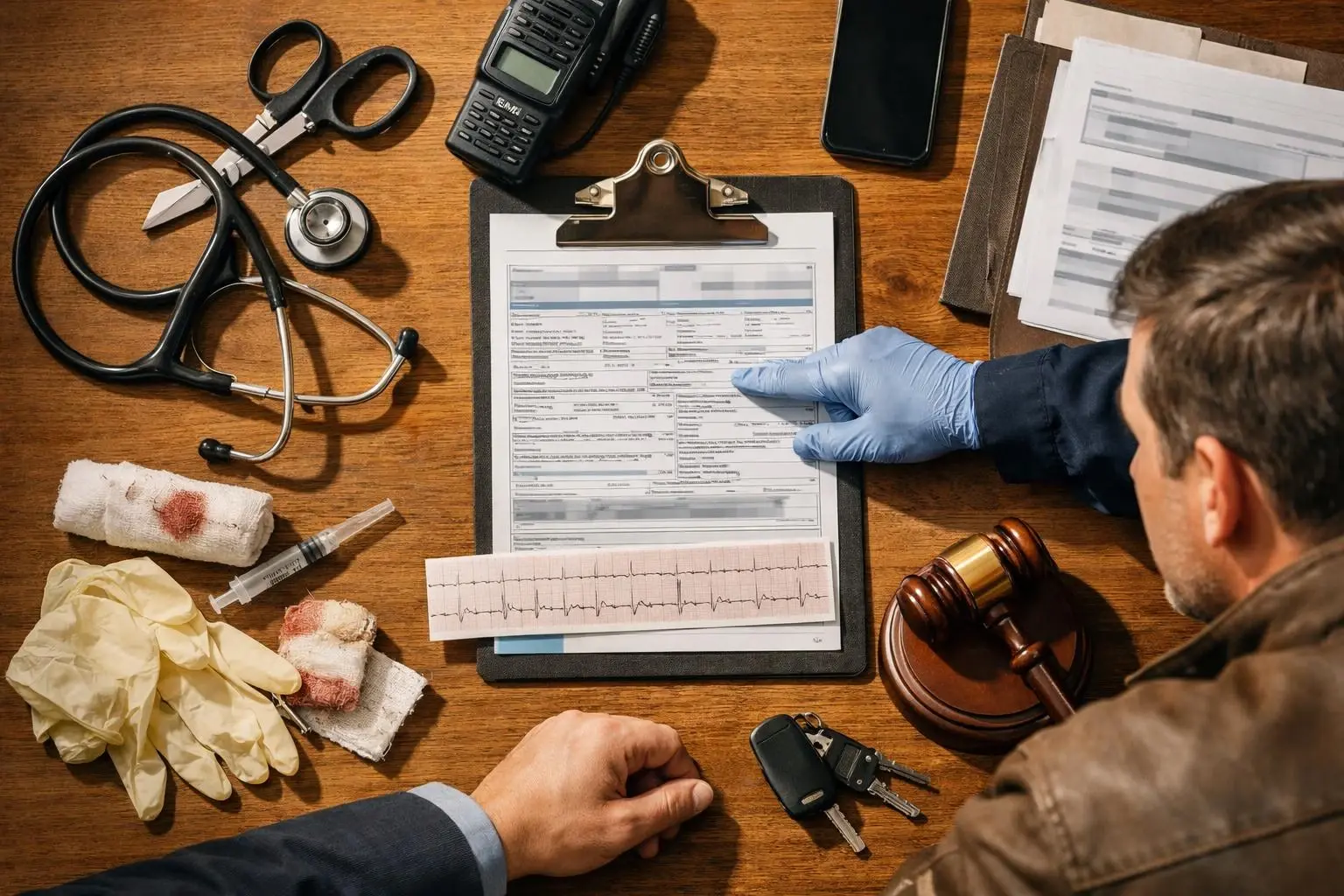
EMS Reports play a vital role in both medical and legal contexts. From a medical perspective, they ensure that hospital staff have accurate information about the patient's condition and the care already provided. This helps prevent gaps in treatment and ensures that the patient receives appropriate follow-up care. For example, if an EMS provider administers pain medication or stabilizes a fracture at the scene, hospital staff need to know these details to avoid duplicating treatments or missing critical interventions.
In legal and insurance contexts, EMS Reports serve as unbiased, contemporaneous records of the incident. Because they're created at the scene by trained professionals, they are often considered highly reliable evidence. For instance, if a dispute arises over the severity of injuries sustained in an accident, the EMS Report can provide objective details about the patient's condition at the time of the emergency response. This can help resolve conflicts over liability, insurance coverage. Or compensation. And EMS Reports can reveal inconsistencies between a patient's account of the incident and the actual observations made by EMS personnel, which may be important in cases involving fraud or misrepresentation.
When EMS Reports Matter Most?
EMS Reports are particularly important in situations involving accidents, injuries. Or medical emergencies where legal or insurance claims may arise. For example, in car accidents, slip-and-fall incidents. Or workplace injuries, the EMS Report can provide critical evidence about the nature and extent of the injuries sustained. This information can influence decisions about liability, compensation. And the need for ongoing medical treatment. In cases where the injured party claims significant damages, the EMS Report can either support or challenge those claims based on the observations recorded at the scene.
Many projects start with EMS Reports are also valuable in cases involving disputes over the quality of emergency care. If a patient or their family alleges negligence or improper treatment by EMS providers, the report can be reviewed to determine whether the care provided met professional standards. Similarly, if an insurance company disputes the necessity of emergency transport or the severity of injuries, the EMS Report can provide objective evidence to support or refute those claims. In some cases, EMS Reports may also be used in criminal investigations, such as those involving drunk driving or assault, to establish the condition of victims at the scene.