Understanding Duty of Care

Duty of Care is a basic legal rule. It says people must act to prevent harm to others. This idea is key in personal injury law. It sets the behavior we expect from people, businesses. And professionals.
For example, drivers must follow traffic laws. They can't drive recklessly. That could hurt pedestrians or other drivers. Property owners must also keep their places safe. They need to fix hazards that could cause slips, falls. Or injuries.
The Duty of Care isn't about being perfect. It's about being reasonable. Courts ask if a person acted like others would in the same situation. They look at things like how urgent it was, the risk of harm. And if safety steps were possible.
A store owner who doesn't clean a spill quickly might break their Duty of Care. If a customer slips and gets hurt, the owner could be at fault. But if the spill just happened, they might not be liable. A reasonable person wouldn't have had time to fix it.
How Duty of Care Is Applied in Legal Cases?
In injury claims, Duty of Care is the first step to prove negligence. To win a lawsuit, the hurt person must show four things. The other person owed them a Duty of Care. That person broke this duty. The breach caused the injury. And the injury led to real damages.
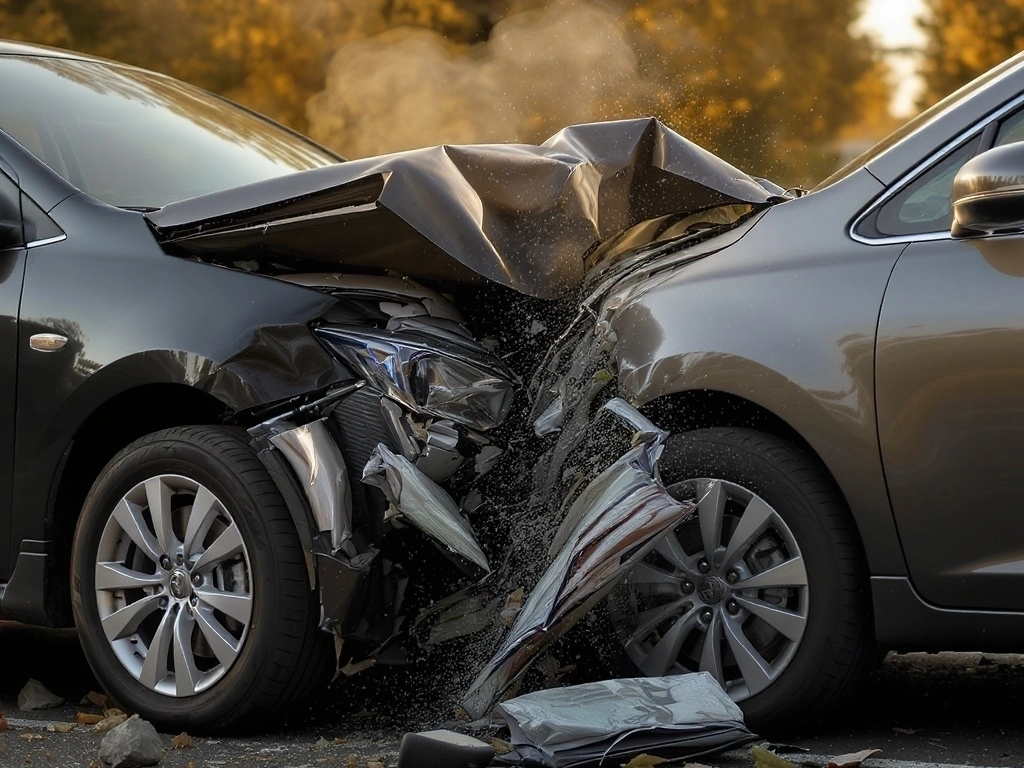
Take a driver who runs a red light. They hit another car. The hurt driver can say the first driver broke their Duty of Care. They did this by not following traffic laws. That caused the crash and injuries.
Duty of Care can change based on the relationship. Some relationships have higher duties. This is because one person relies on the other. For example, doctors must give proper medical care. Employers must keep workplaces safe.
In Georgia, courts also look at if the harm was foreseeable. A property owner might be liable if they knew about a broken staircase. They didn't fix it. And someone got hurt. But if the danger was hidden, they might not be at fault.
Why Duty of Care Matters?

Duty of Care helps keep people safe and accountable. It sets clear rules for how to act. This makes people and businesses take steps to lower accident risks.
Drivers who know their Duty of Care avoid bad habits. They don't drive distracted, speed. Or drive drunk. This makes roads safer. Businesses that focus on Duty of Care add safety measures. They put in good lighting, secure railings. And do regular maintenance. This protects customers and workers.
Legally, Duty of Care helps solve injury disputes. Without it, it'd be hard to find fault. Courts use this rule to be fair. They hold careless people accountable. But they also stop frivolous lawsuits.
For accident victims, proving a broken Duty of Care is key. It can help them get money for medical bills, lost wages. And pain. For those accused, showing they met their Duty of Care can avoid blame. It can also protect their reputation.
When Duty of Care Matters Most?
Duty of Care matters most when harm risks are high. It's important when negligence has bad results. Common cases include car accidents, slips and falls, medical mistakes. And workplace injuries.
In Georgia, Duty of Care often comes up in drunk driving cases. The drunk driver broke their duty to drive safely. In slip-and-fall cases, property owners might be liable. They didn't fix dangers like ice, uneven floors. Or poor security.
Duty of Care also applies in less obvious situations. This includes social events or volunteer work. Say someone hosts a party. They serve alcohol to a drunk guest. That guest causes a crash. The host might be liable under Georgia's social host laws.
Even everyday tasks need Duty of Care. This includes babysitting or walking dogs. People must act responsibly to stop harm. Knowing when Duty of Care applies helps people stay safe. It can also keep them out of legal trouble.
In Decatur, GA, Duty of Care is very important. Local drivers face busy roads like Ponce de Leon Avenue or Scott Boulevard. Accidents happen often there. Injury lawyers use Duty of Care to help crash victims. They show the other driver didn't meet their legal duties.
This applies to many accidents. It includes rear-end crashes, pedestrian accidents. Or truck wrecks. Duty of Care helps find fault. It helps victims get justice.