How Long Does a Workers' Compensation Claim Take?
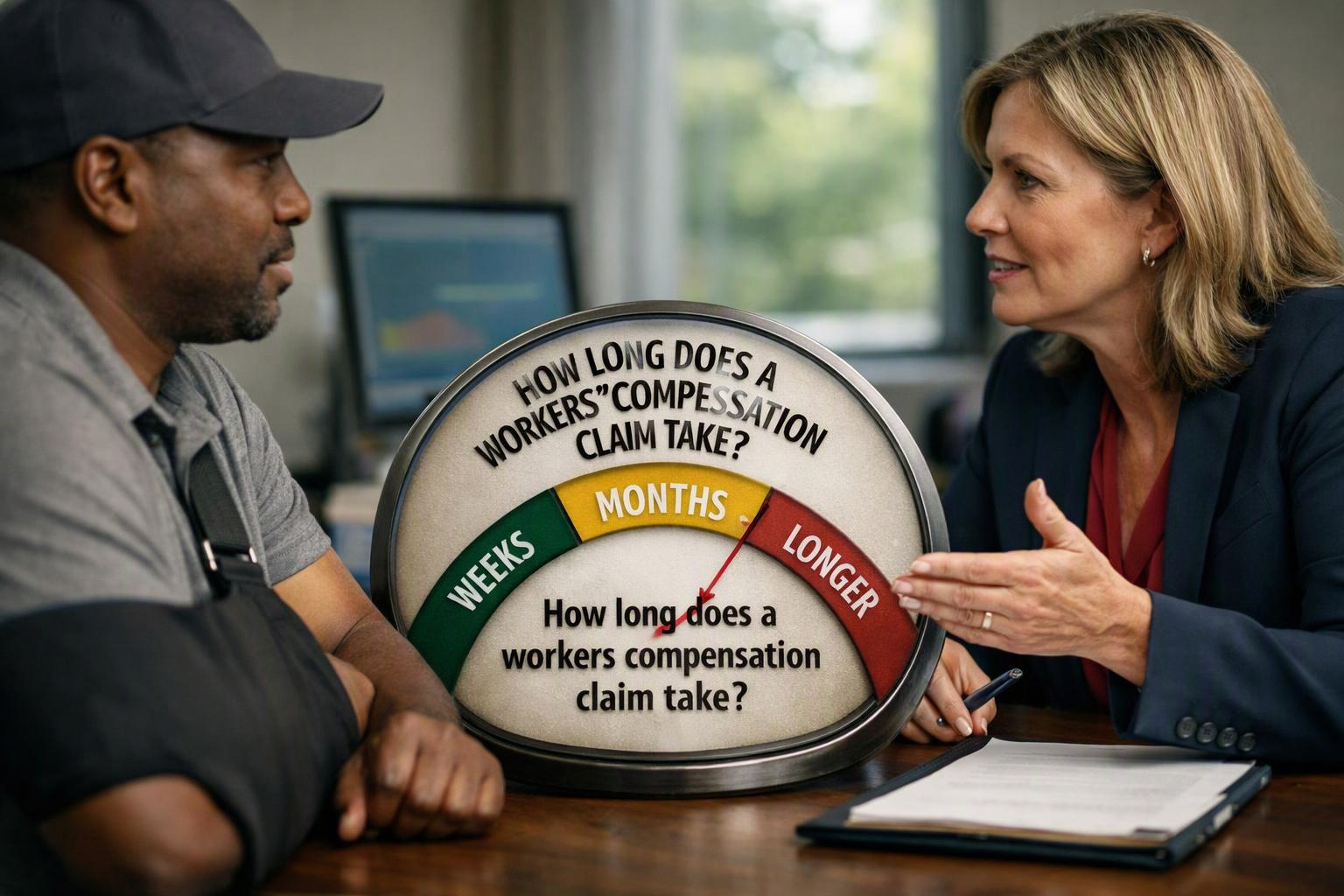
Workers' compensation claim timelines depend on medical recovery, evidence, insurer decisions, and disputes; Atlanta Auto Law reviews these factors and guides the claim process.
Written by Ronnie Mabra
Request an EstimateWhy Workers' Compensation Claims Take Different Amounts of Time
Workers' compensation claims take different amounts of time because medical recovery, claim evidence, insurer decisions, and disagreements can change the next step. Atlanta Auto Law reviews the facts of each work injury claim and explains what may happen next.
Some claims move through medical treatment and benefit review without a major dispute. Other claims require additional records, an insurer investigation, settlement negotiation, or a hearing before the Workers' Compensation Commission.
The claim timeline can also change when the injured worker's condition is still developing. We track medical records and benefit issues so the claim can be evaluated as the evidence changes.
What Happens During a Workers' Compensation Claim?
A workers' compensation claim moves through injury reporting, benefit review, medical documentation, negotiations, and dispute resolution when necessary. Each stage can create a decision that affects what happens next.
We organize the claim record around the workplace injury, the medical evidence, and the benefits being requested. The table below shows how each stage can affect the claim timeline.
| Process stage | What happens | What can change the timing |
|---|---|---|
| Workplace injury report | The employee reports the work-related injury to the employer and seeks medical attention. | Unclear reporting, delayed notice, or questions about how the injury happened can require more review. |
| Workers' compensation application | Claim forms and supporting information are submitted for benefit consideration. | Missing information or inconsistent details can lead to follow-up questions. |
| Medical records | Medical evaluations, treatment records, and work restrictions help show the injury and its effects. | Ongoing treatment or incomplete records can affect benefit and settlement decisions. |
| Disability benefits | The claim may involve wage-loss benefits and medical benefits based on the worker's condition. | A dispute over eligibility, wages, or work restrictions can delay a decision. |
| Claim investigation | The workers' compensation insurer reviews the injury, employment facts, medical evidence, and requested benefits. | Questions about causation, notice, or compensability may require additional evidence. |
| Settlement agreement | The parties may discuss a settlement that addresses the claim and its remaining issues. | Medical uncertainty, disputed terms, or unresolved benefits can affect negotiations. |
| Workers' Compensation Commission | A formal dispute may proceed through the Commission's hearing and review process. | The issues in dispute, evidence, and required procedural steps can affect the pace. |
What Can Make a Workers' Compensation Claim Take Longer or Move Faster?
The claim timeline changes when medical evidence, employer reporting, insurer investigation, benefit disputes, or settlement negotiations require additional work. We identify the issue affecting the claim and focus on the records needed to address it.
We review these factors together because one unresolved issue can affect several parts of the claim. Our team explains which records or decisions may be needed before the next step.
How Medical Treatment Affects the Claim Timeline
Medical treatment affects a workers' compensation claim because the injury's prognosis and future care needs can influence benefits and settlement decisions. A medical evaluation helps connect the work-related injury to the recommended treatment and restrictions.
The treatment plan may change as the worker improves or as new symptoms appear. Medical records help show whether the worker has reached maximum medical improvement and whether permanent impairment may remain.
We track treatment records and compare them with the claimed work restrictions and benefit issues. This review helps us evaluate whether a settlement agreement addresses known medical needs and disability concerns.
What Happens If the Insurance Company Disputes the Claim?
A disputed workers' compensation claim takes additional time when the insurer challenges the injury, its work-related cause, medical treatment, or benefit eligibility. A claim denial may affect both wage benefits and medical benefits while the dispute is reviewed.
Disputes often involve compensability, causation, notice, work restrictions, or the need for proposed treatment. We gather the relevant claim documents and medical evidence to address the specific reason for the dispute.
If the dispute is not resolved, the matter may proceed to a hearing before the Workers' Compensation Commission. An appeal may follow when a party challenges the decision under the applicable process.
How Atlanta Auto Law Helps Track a Workers' Compensation Claim
Atlanta Auto Law reviews the claim record, tracks medical evidence, evaluates benefits, communicates about disputed issues, and helps the injured worker understand the next decision. We focus on the facts that control the claim timeline.
Our team reviews the injury report, claim forms, medical records, employer communications, and insurer positions. We also evaluate whether the requested wage-loss benefits and medical benefits match the available evidence.
When settlement becomes part of the discussion, we review the proposed settlement agreement and explain what it addresses. When a dispute remains, we help prepare the evidence and issues for the applicable review or hearing process.
What Should You Do While Your Workers' Compensation Claim Is Pending?
While a workers' compensation claim is pending, you can protect the record by following medical guidance and keeping claim information organized. These actions give us clearer evidence to review if a benefit issue develops.
When Should You Speak With a Workers' Compensation Lawyer?
A workers' compensation lawyer can help when the claim is denied, benefits are delayed, the injury may be permanent, or a settlement requires review. Early legal review can help clarify the evidence and the decision that must be addressed.
Contact us when the employer or insurer questions whether the injury is work-related. We also review disputes involving medical treatment, wage-loss benefits, work restrictions, and permanent impairment.
Before signing a settlement agreement, we examine the terms, the medical record, and the benefits being resolved. Atlanta Auto Law offers Free Consultations to discuss the claim and possible next steps.
Questions About Workers' Compensation Claim Timelines
Can I receive workers' compensation benefits while my claim is being reviewed?
Yes, you may receive workers' compensation benefits while the claim is being reviewed when the insurer accepts the claim and the applicable benefit requirements are met. Atlanta Auto Law reviews delayed or interrupted payments and explains what evidence may support the request.
What happens if my workers' compensation claim is denied?
A denied workers' compensation claim requires review of the denial reason, claim documents, medical records, and available dispute process. We assess issues such as compensability, causation, notice, and benefit eligibility.
Can I settle a workers' compensation claim before medical treatment ends?
Yes, a workers' compensation claim may be settled before medical treatment ends, but the decision depends on the medical evidence, expected care, disability issues, and settlement terms. We review whether the proposed agreement addresses known and unresolved concerns.
Does returning to work end a workers' compensation claim?
No, returning to work does not automatically end a workers' compensation claim. Medical benefits, work restrictions, permanent impairment, and other unresolved issues may continue after work resumes.
What documents help support a workers' compensation claim?
Medical records, treatment notes, work restrictions, the workplace injury report, claim forms, employer communications, benefit notices, and wage information can support a workers' compensation claim. We organize these records around the injury, treatment, and benefits being requested.
Atlanta Auto Law reviews workers' compensation claims, explains disputed issues, and helps injured workers understand their available options. Contact our team for Free Consultations about your claim.
Get a Free EstimateAuthor: Ronnie Mabra