How Long Does a Personal Injury Case Take?
A personal injury case has no fixed timeline because medical recovery, evidence, liability, insurance negotiations and litigation can change the process. Atlanta Auto Law reviews these factors, explains the next steps and helps clients make informed decisions about settlement or trial.
Written by Ronnie Mabra
Request an EstimateWhy Personal Injury Cases Do Not Have a Fixed Timeline
Personal injury cases do not have a fixed timeline because each case depends on medical recovery, evidence, liability, insurance conduct and the parties' decisions.
A personal injury claim may move quickly when the facts are clear and the injuries are well understood. The claim may require more work when medical treatment continues, fault is disputed or the insurance company delays a fair response.
We review the medical records, accident evidence and liability issues together. That approach helps us identify the next decision without promising an outcome or a specific completion date.
What Changes the Personal Injury Case Timeline?
The personal injury case timeline changes when medical treatment, evidence collection, liability disputes, settlement negotiations or court proceedings require additional work. Each stage can affect whether the claim is ready for a settlement demand or needs further investigation.
| Timeline factor | How the factor affects the case |
|---|---|
| Medical treatment | Ongoing care can make it harder to understand the full injury picture and future medical care. |
| Maximum medical improvement | A clearer medical outlook may help us assess lasting limitations and prepare damages documentation. |
| Accident evidence | Missing reports, photographs or witness information can require additional investigation. |
| Liability investigation | A liability dispute may require more records, statements and expert evidence. |
| Insurance negotiations | A settlement demand and response may lead to further negotiation before a settlement agreement is reached. |
| Court schedule and trial | A personal injury lawsuit adds pleadings, discovery, court dates and trial preparation. |
We use these factors as a decision map. The goal is to move forward when the evidence supports a sound choice, not to rush a claim before its value and risks are understood.
Factors That Can Extend or Shorten a Personal Injury Claim
The expected timeline depends on the facts of the injury and the conduct of the parties. These factors can shorten the claim process when the facts are clear or extend it when more review is needed.
We explain how each factor affects the decision before recommending a settlement strategy or litigation step. A claim may be ready for negotiation even when a final resolution still depends on the insurance company or court.
How the Personal Injury Claim Process Moves Forward
The personal injury claim process moves forward through an initial case review, accident investigation, medical records review and damages documentation. We then prepare an insurance demand when the evidence supports that step.
Settlement negotiation usually focuses on liability, medical treatment, lost income, other damages and future medical care. We communicate with the insurance company and evaluate each response before advising on the next decision.
For readers focused on vehicle crashes, our Car Accident Claims service explains how we approach accident-related claims. The same case timeline principles can apply to truck accident claims, motorcycle accident claims and pedestrian accident claims, although the evidence may differ.
Building the Evidence for a Personal Injury Claim
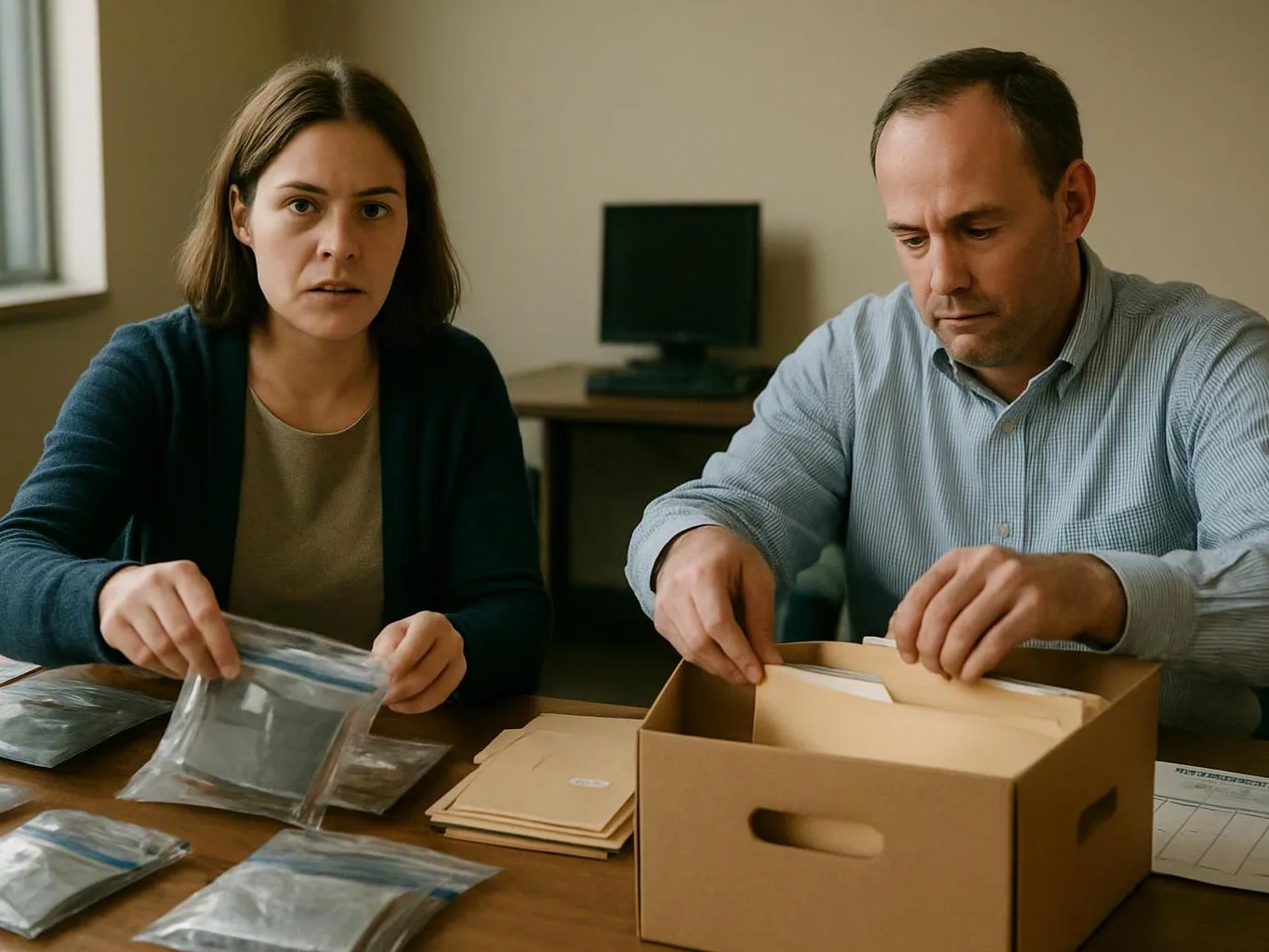
A police report, witness statement, photographs, medical records and employment records can help establish what happened and how the injury affected the claimant. Expert evidence may be useful when the accident mechanics, medical prognosis or future damages require additional explanation.
We organize the accident investigation around the disputed facts. Our team checks the records for consistency and identifies evidence that can support liability and damages.
How Medical Treatment Affects Settlement Timing
Medical treatment affects settlement timing because the claim may need a clear medical prognosis before damages can be assessed. Ongoing care can also raise questions about future medical care and the risk of a permanent injury.
We review medical records with the damages evidence and avoid treating an early improvement as the end of the injury. That review helps us decide when a settlement demand presents a complete picture of the claim.
Does Filing a Lawsuit Make a Personal Injury Case Take Longer?
Filing a personal injury lawsuit can extend the case because litigation adds formal court procedures, but filing may be necessary when liability or fair compensation remains disputed.
A complaint begins the court process. Discovery may then require written questions, document exchange and depositions before the parties are ready for mediation or trial.
We weigh the risks and benefits of filing against the available evidence, insurance coverage and legal deadline. A lawsuit is a tool for protecting the claim when negotiation does not resolve the dispute.
What to Expect if a Personal Injury Case Goes to Trial
A personal injury case that goes to trial follows a court-controlled process involving pleadings, discovery, pretrial preparation, testimony and a verdict.
A civil trial may involve witness testimony, medical evidence, accident evidence and arguments about damages. The jury considers the evidence presented under the court's rules.
The court schedule controls many trial steps, and preparation can continue through motions, exhibit review and witness planning. We prepare the case for the possibility of trial while continuing to assess whether mediation or settlement negotiation can resolve the dispute.
How Atlanta Auto Law Reviews a Personal Injury Case Timeline
Atlanta Auto Law reviews a personal injury case timeline through case evaluation, liability analysis, damages assessment and insurance coverage review.
We identify the facts that require more investigation and the records needed to support the claim. Our team then develops a settlement strategy that accounts for medical treatment, evidence, liability and the risk of court proceedings.
Ronnie Mabra provides the author attribution for this guidance. We explain the available choices clearly so clients can make informed decisions about negotiation, mediation or a personal injury lawsuit.
Questions About Personal Injury Case Timing
Can a personal injury claim settle before a lawsuit is filed?
Yes, a personal injury claim can settle before a lawsuit is filed, and Atlanta Auto Law evaluates the evidence and settlement offer before advising on that choice.
What happens when the insurance company disputes liability?
When the insurance company disputes liability, the claim may require additional accident investigation, witness statements, records and legal analysis.
Can a personal injury case continue while medical treatment is ongoing?
Yes, a personal injury case can continue while medical treatment is ongoing, but settlement timing may depend on whether the medical prognosis and future medical care are clear enough to assess damages.
What should I do if a legal deadline is approaching?
If a legal deadline is approaching, contact Atlanta Auto Law promptly so we can review the claim and identify the steps needed to protect it.
How does mediation affect a personal injury case?
Mediation gives the parties a structured opportunity to discuss settlement before trial, but the case timeline still depends on the evidence, the disputed issues and the parties' decisions.
A personal injury case timeline depends on medical recovery, evidence, liability, insurance negotiations and litigation choices. Contact Atlanta Auto Law through our contact page to discuss the facts that may affect your claim.
Related Resources
How Personal Injury Lawyer Fees and Case Costs Work
Compared ToContingency Fees vs Hourly Fees: What to Compare Before Hiring
What Goes With ItMedical Malpractice Claims: Misdiagnosis, Surgical Errors, and Birth Injuries
What Goes With ItInsurance Disputes and Personal Injury Claims: When Bad Faith May Be an Issue