Can road lighting affect a pedestrian injury claim?
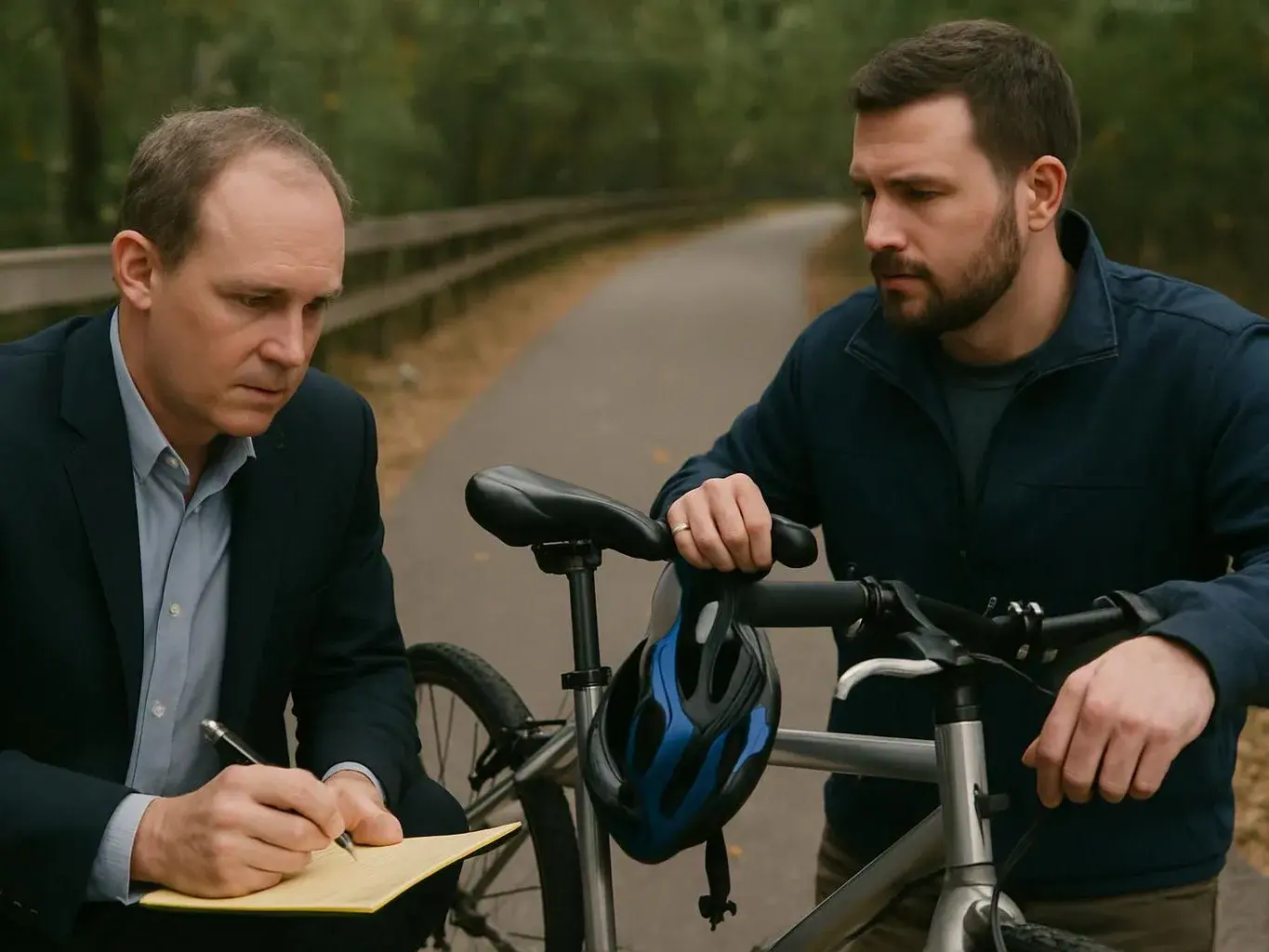
Road lighting can affect a pedestrian injury claim when visibility is disputed. Atlanta Auto Law reviews lighting, driver speed, traffic patterns, witness accounts, and the crossing location. A claim still needs evidence connecting the driver's conduct to the collision. Photographs, the police report, and medical records can help frame that review.
Can I bring a claim if I crossed outside a crosswalk?
Yes, crossing outside a crosswalk doesn't automatically bar a pedestrian injury claim. Comparative negligence may affect how fault is assessed, while driver speed, visibility, traffic movement, and distraction remain relevant. We review the whole event and the injury records before discussing an insurance claim or demand letter.
What documents should I bring to a first consultation?
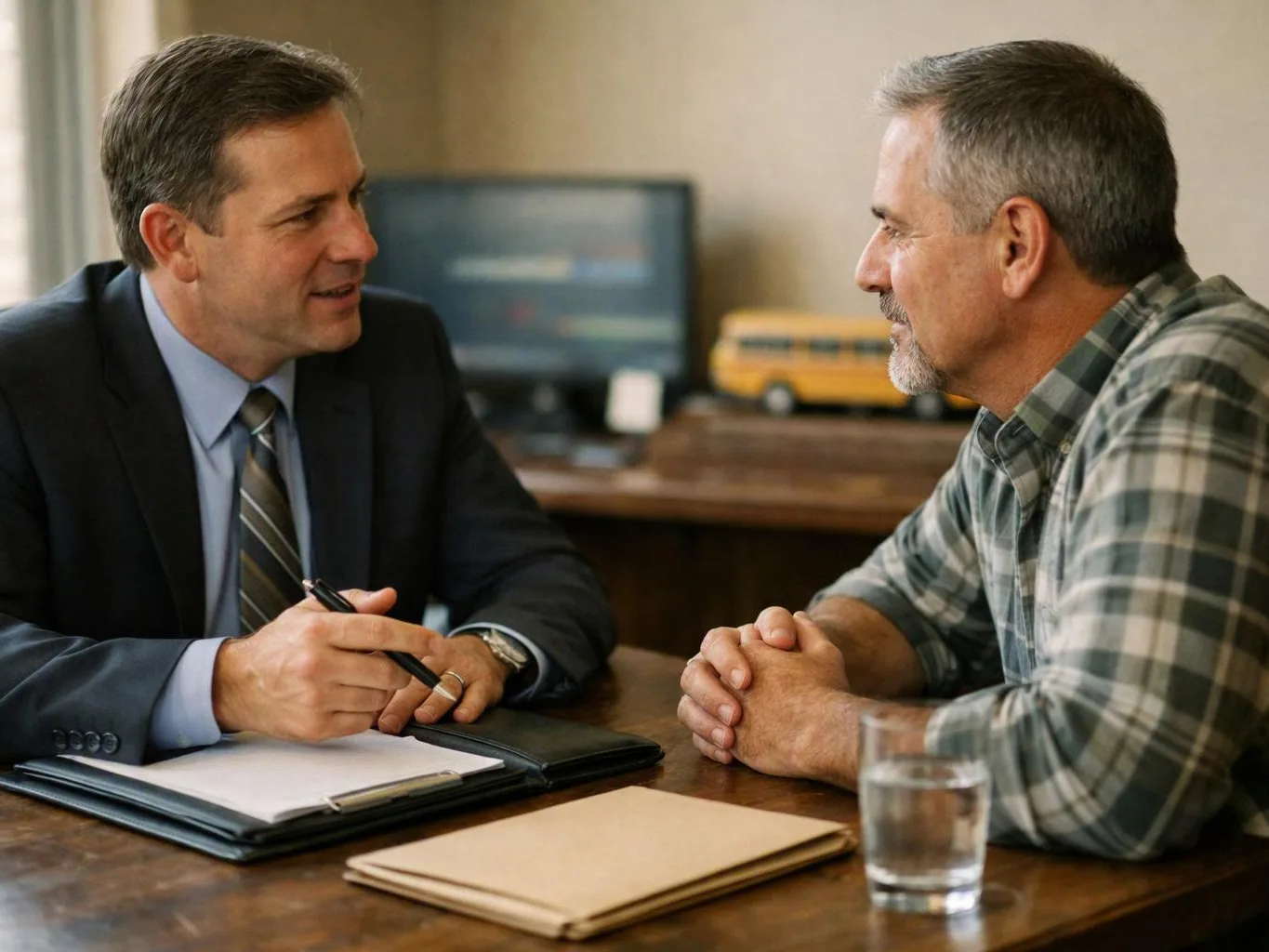
Crash documents help us assess the claim at the first consultation. Bring the police report, insurance letters, medical records, bills, photographs, witness details, and notes about missed work. If some records are missing, bring what you have and explain where the remaining information may be found.
How does a pedestrian claim move from the first call to resolution?
A pedestrian claim moves from intake to evidence review, injury documentation, insurance negotiation, and possible litigation. We first collect the crash account and records. Next, we assess fault and prepare the claim. Settlement, mediation, discovery, or trial may follow based on the dispute and evidence.
Which part of the claim changes the legal cost?
The injury record, fault dispute, insurance issues, and need for litigation can change the work involved. Free consultations let clients discuss those facts before deciding about representation. The contingency fee agreement explains the financial terms, and no fees are charged unless we win a case.
Why should I preserve medical records after a pedestrian crash?
Medical records connect the collision to the diagnosis, treatment, symptoms, and claimed losses. Gaps can make an insurer question causation or the seriousness of an injury. Keep treatment notes, bills, imaging, prescriptions, and work restrictions together. We review that record as part of the claim assessment.