

Confidential case evaluation
We discuss the symptoms, diagnosis, treatment, and injury during a confidential initial case evaluation. This helps identify the records needed next.
Medical misdiagnosis can worsen an injury or delay needed care. We review the claim, the records, and the harm that followed.
A mapped timeline showing how symptoms, tests, diagnoses, and treatment connect.
A focused review of the harm linked to delayed or incorrect care.
A clearer basis for discussing insurance claims, settlement, mediation, or trial.
Misdiagnosis claims are legal claims that examine whether a medical error caused injury, delayed care, or worsened a condition.
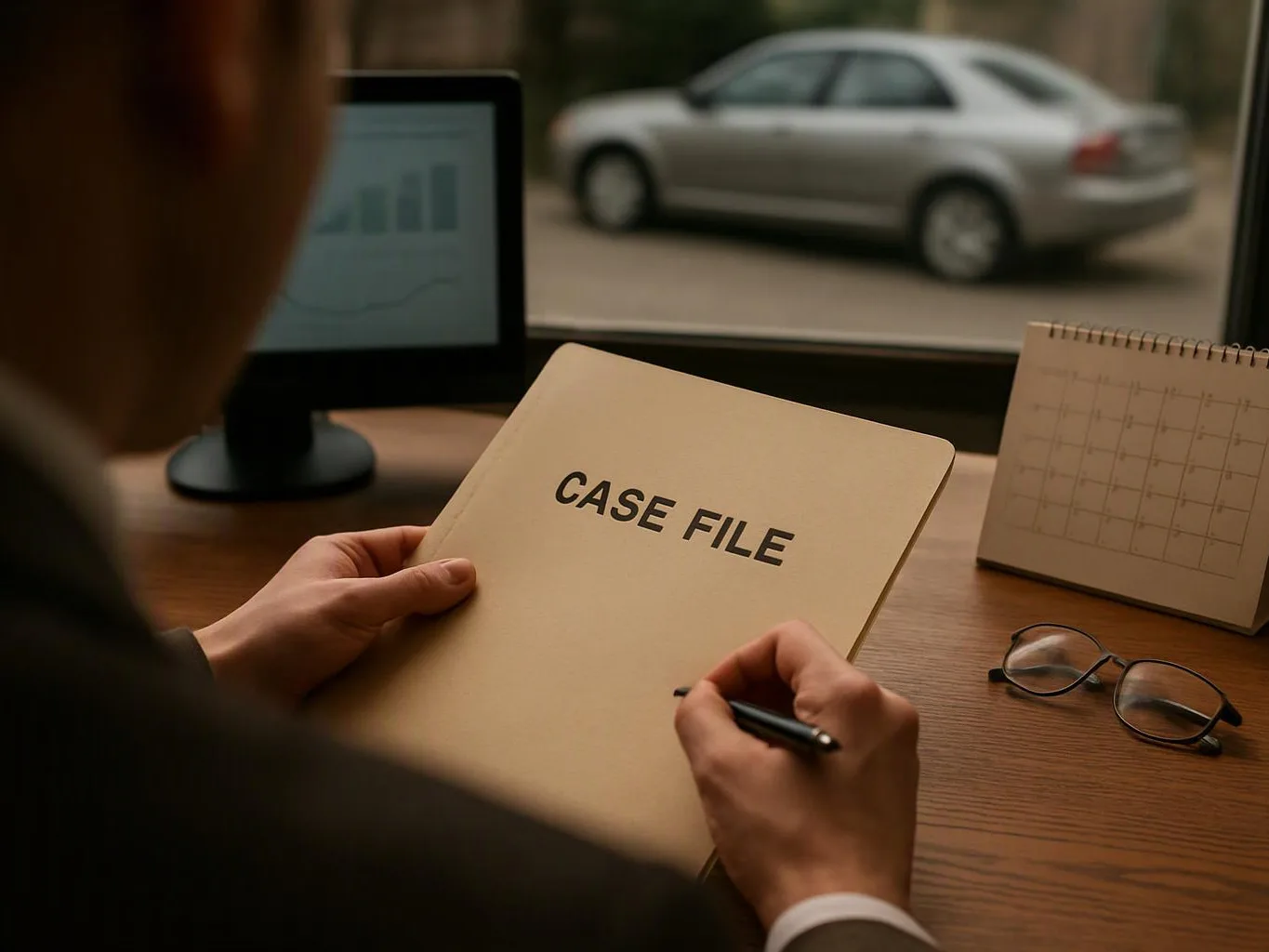
A misdiagnosis claim focuses on the care that came before the injury. We review the symptoms reported, tests ordered, results recorded, diagnosis made, and treatment given. The key question is causation. A poor outcome alone doesn't prove malpractice. The evidence must connect the medical error to added harm, delayed care, or a worse condition. Our deeper work centers on the case file. We organize medical records, build a treatment timeline, identify missing documents, and prepare questions for medical review. You keep copies of the records and written updates we provide during the matter. Some claims involve cancer, infection, stroke, medication errors, or other serious conditions. The legal analysis depends on the facts, the care involved, and the injury that followed.
We discuss the symptoms, diagnosis, treatment, and injury during a confidential initial case evaluation. This helps identify the records needed next.
We gather medical records, test results, treatment notes, billing records, and related claim documents. We organize them into a clear care timeline.
We examine the diagnosis, missed warning signs, treatment choices, and later condition. The goal is to connect the alleged error with the claimed harm.
We handle communications with insurers and other parties involved in the claim. We keep the record focused on documented care and injury.
We explain options that may include a demand letter, negotiation, mediation, discovery, or trial. The plan follows the evidence and your legal goals.
Bring what you have, even if the record set is incomplete.
We begin with a confidential review of symptoms, diagnoses, treatment records, and the harm you believe followed.
We gather medical records, test results, treatment notes, and claim evidence that may connect the error with your injury.
We prepare the medical timeline, legal position, and supporting records for negotiation or litigation when appropriate.
Schedule a confidential consultation about your records and injury, and urgent requests get priority scheduling.
A patient may receive one diagnosis, then learn that a serious condition was missed. The important facts include the first symptoms, test results, provider notes, and the point when the correct condition appeared. Save every record and write down the care timeline. We can review those materials during a confidential case evaluation.
Treatment based on an incorrect diagnosis can leave a person with added symptoms or a longer recovery. The claim turns on what providers knew, what they recorded, and what treatment came next. Keep medication details, discharge papers, and follow-up records. Our team uses those documents to assess the connection between care and harm.
A family member may need help after a missed diagnosis causes serious injury or death. Records, billing documents, and statements from treating providers can help establish the care history. Gather those materials without altering them, then request a consultation. Atlanta Auto Law can explain the available legal options and claim process.





The information on this website is for general informational purposes only and is not legal advice, does not create an attorney-client relationship, and may not reflect current law in Decatur, Georgia, United States. Every situation is different; consult a licensed attorney about your specific matter. Prior results do not guarantee a similar outcome.
(678) 235-3870