Can a drug company be liable for undisclosed side effects?
Regulatory filings can support liability when they show a known risk was not properly disclosed and that omission relates to the injury. Atlanta Auto Law reviews patient warnings, safety signals, medical records, and pharmacy information. Every case is different, so the available evidence must be assessed before discussing a legal path.
What should be checked before a drug claim is scheduled?
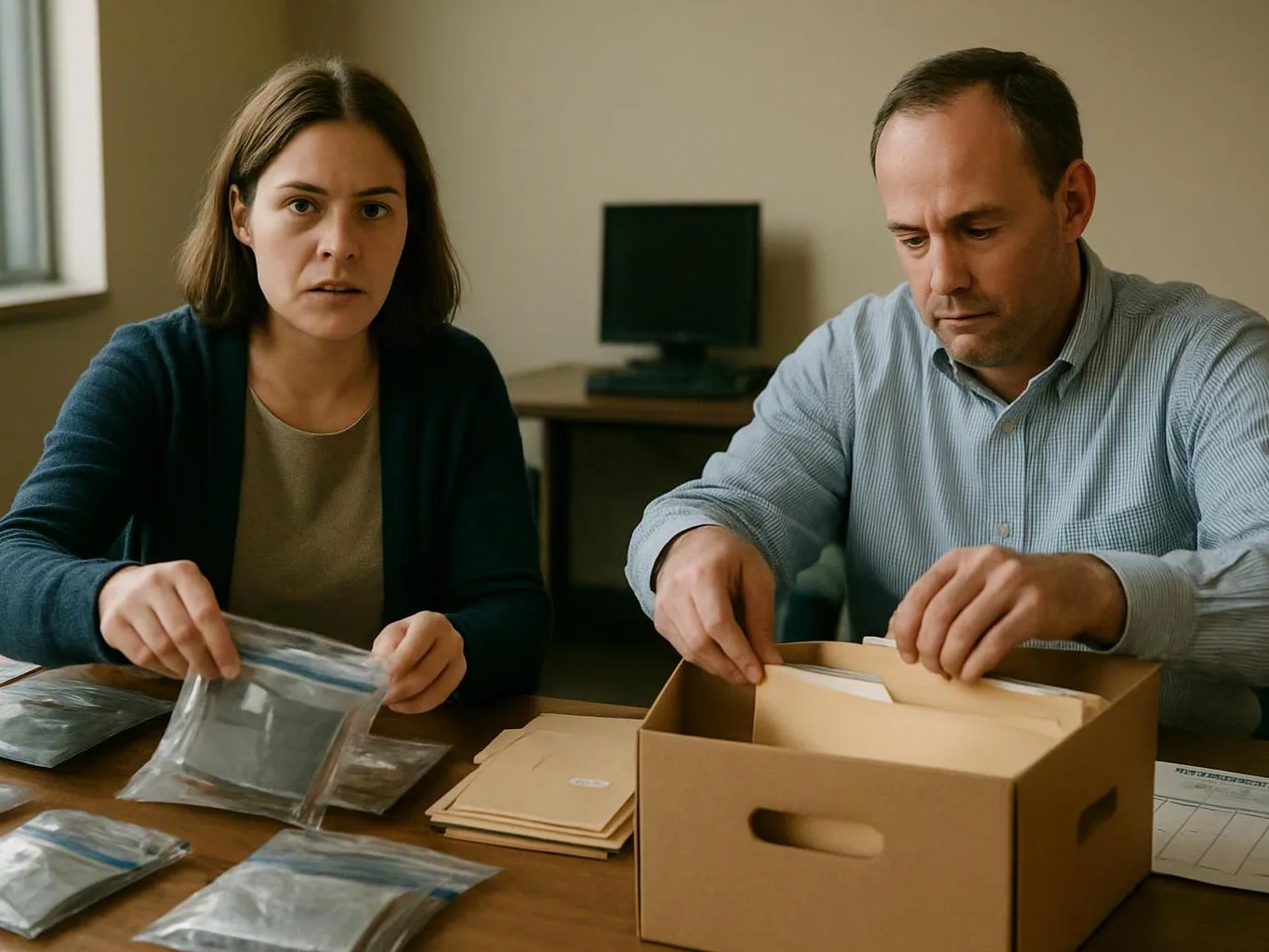
The medicine, warning history, treatment records, and reported injury should be checked first. We look for the prescription details, pharmacy records, medical notes, and insurer communications. Those materials help separate a possible drug safety issue from an unrelated medical condition or another type of personal injury claim.
Who is a good fit for this type of claim?
People with documented harm linked to a medicine may fit this service after an evidence review. Our team also considers warning language, prescription history, and other possible causes. A person whose main issue is a vehicle crash, premises liability event, or workers compensation matter may need a different claim focus.
What happens at each stage of a drug injury review?
The review starts with intake, then moves to records, safety information, and a legal assessment. We gather medication details, compare warnings with medical evidence, and discuss insurance or litigation options. The next step depends on the documents, the injury, and the issues raised by the drug’s safety history.
Which records help show a missing patient warning?
Patient warnings, prescription records, pharmacy documents, and medical notes help show what information was given and what harm followed. We also examine regulatory filings and safety signals when they are available. Keep original copies and insurer letters, because small wording differences can matter during the review.
When should medical records be collected?
Medical records should be collected as soon as a possible drug injury becomes clear. Treatment notes, diagnoses, bills, and prescription details help connect the medicine to the reported harm. You do not need every record before seeking a consultation, because our intake can identify what still needs to be requested.
Why do safety signals matter in a drug claim?
Safety signals matter because they can point to a risk that deserves closer review. We compare those signals with warnings, regulatory filings, and the person’s medical history. A signal alone does not prove liability, but it can guide the records and questions that shape the legal assessment.