
What Is a Demand Letter?
A demand letter is a written request that asks another party to resolve a claim. In an injury case, the letter may explain the harm and request payment from an insurer. It gives the recipient a clear statement of the claim and the resolution the sender seeks.
Quick Facts About Demand Letter
- Category
- Claim correspondence
- Used for
- Requesting claim resolution
- Common confusion
- A letter does not guarantee payment
- Often discussed with
- Insurance Bad Faith Claims
Key Takeaways About Demand Letter
- A demand letter is not a lawsuit.
- Supporting records help explain the request.
- An insurer's denial isn't automatically bad faith.
How Demand Letter Works
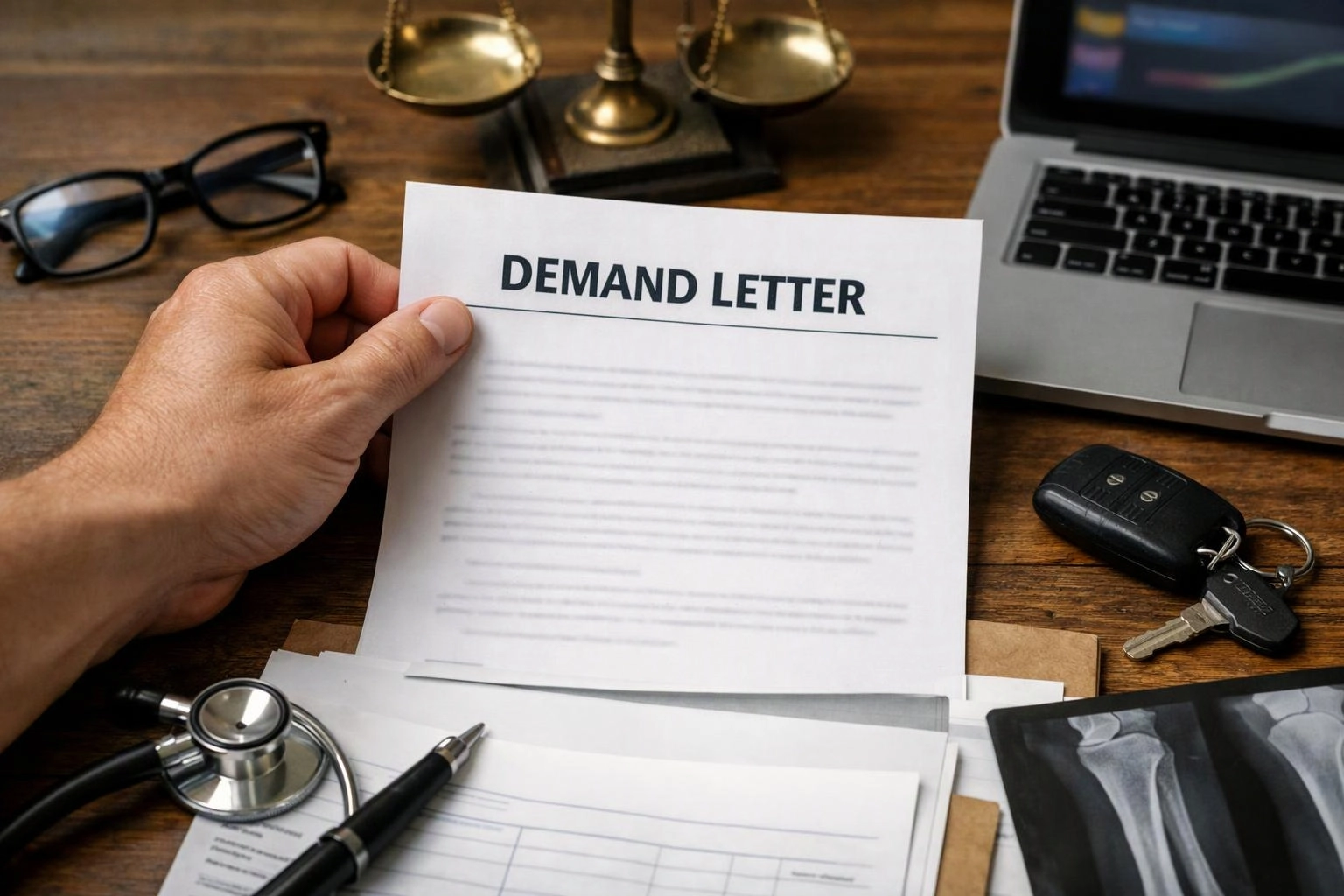
A demand letter gives the recipient a chance to review a claim and respond. The sender may attach records that support the request. For an injury claim, those records might include medical bills or a crash report. Related service: Insurance Bad Faith Claims.
Related glossary terms: Damages, Third-Party Claim, Bodily Injury Liability.
The recipient may accept the request, make a different offer, or dispute the claim. A response can also ask for more information. The parties may exchange more letters as they discuss a possible resolution.
In an insurance bad faith claim, the letter may address how an insurer handled a claim. It may point to the insurer's explanation for a denial and describe the sender's concerns. A dispute over coverage alone doesn't establish bad faith.

From the Atlanta Auto Law team
When we prepare a demand letter in a bad faith matter, we review the insurer's written response alongside the claim records. We check whether the letter describes the disputed conduct clearly. We also keep the coverage issue separate from the concern about how the insurer handled the claim.
Demand Letter in Practice: A Real-World Example
After a car crash, an insurer denies a driver's claim. The driver's demand letter points to claim records that conflict with the denial and asks the insurer to address its handling of the claim.
Related Services
Related Terms
Damages
Damages are money sought or awarded in a legal claim for harm or loss.
Third-Party Claim
A third-party claim is a request for compensation from a person or business outside your employment relationship after a workplace injury.
Bodily Injury Liability
Bodily Injury Liability is auto insurance coverage that applies when an insured person is legally responsible for injuries to someone else.
Uninsured Motorist Coverage
Uninsured Motorist Coverage is auto insurance that can pay for covered losses after a crash caused by a driver without adequate insurance.
Atlanta Auto Law
Have Questions About Demand Letter?
Contact Atlanta Auto Law for practical guidance on Demand Letter and related personal injury lawer acs work in Decatur.